
To estimate your EV’s real range with cargo and headwinds, start with the official range, then multiply it by 0.85 to 0.90 for cargo weight, and further multiply by 0.80 to 0.90 for weather conditions like headwinds. This simple formula helps you account for external factors that reduce mileage. If you want to learn how to refine this estimate for different conditions, keep exploring ways to adjust your calculations effectively.
Key Takeaways
- Start with the vehicle’s official range under ideal conditions as a baseline.
- Reduce the range estimate by multiplying by 0.85 to 0.90 to account for extra cargo weight.
- Further adjust by multiplying by 0.80 to 0.90 to include weather effects like headwinds.
- Combine both adjustments to get a realistic, real-world range estimate.
- Use this simple formula to plan trips and optimize driving for better battery efficiency.

Ever wondered how your vehicle’s range changes when carrying extra cargo or facing headwinds? It’s a common concern for EV owners and anyone looking to maximize their driving efficiency. The key factors at play are battery efficiency and weather impact. Both influence how far you can go on a single charge, especially when conditions aren’t ideal. Understanding how these elements interact allows you to estimate your real-world range more accurately, helping you plan trips better.
Knowing how cargo and weather affect your EV range helps you plan smarter trips and avoid surprises.
When you add cargo to your vehicle, it increases its weight and changes its aerodynamics, both of which lower battery efficiency. Heavier loads require more energy to move, especially during acceleration and uphill drives. Similarly, headwinds create additional air resistance, forcing your vehicle to work harder. The weather impact isn’t just about wind; cold temperatures can reduce battery efficiency by decreasing chemical activity inside the cells, while hot weather can cause batteries to overheat and reduce performance. These weather conditions can markedly diminish your range, sometimes by 20% or more.
To estimate your real range effectively, you can use a simple formula that accounts for these variables. Start with your vehicle’s official range under ideal conditions, then adjust for additional cargo and weather impact. For example, if your EV has an official range of 250 miles, and you’re carrying a heavy load, you might estimate a 10-15% reduction in efficiency. So, you’d multiply 250 miles by 0.85 to 0.90, giving you a range of approximately 213 to 225 miles. Next, factor in weather impact: cold temperatures might further reduce efficiency by 10-20%, so multiply your current estimate by 0.80 to 0.90. Combining these adjustments, your estimated real range could be around 170 to 200 miles, depending on specific conditions.
Additionally, understanding the impact of weather conditions can help you better prepare for different scenarios and optimize your driving habits. This straightforward approach helps you make smarter decisions, whether it’s planning a longer trip or managing daily commutes. Keep in mind that these are estimations, and real-world results can vary based on driving style, terrain, and other factors. However, understanding the influence of cargo and weather impact on battery efficiency gives you a clearer picture of what to expect. By applying this simple formula, you can better anticipate your vehicle’s capabilities and avoid surprises on the road. Ultimately, being aware of how external factors affect your vehicle’s performance enables you to optimize your driving habits and extend your range whenever possible.

VEVOR Bike Cargo Trailer, 160 lbs Load Capacity, Heavy-Duty Bicycle Wagon Cart, Foldable Compact Storage & Quick Release with Universal Hitch, 16" Wheels, Safe Reflectors, Fits 22"-28" Bike Wheels
160 lbs High Load Capacity: Our bike cargo trailer is your ultimate travel companion, providing a sturdy build...
As an affiliate, we earn on qualifying purchases.
Frequently Asked Questions
Can This Formula Be Used for Electric Vehicles?
Yes, you can use this formula for electric vehicles. Just consider your EV’s battery capacity and how cargo or headwinds impact energy consumption. Keep in mind that factors like charging stations along your route can also affect your range planning. By adjusting the formula for these elements, you’ll get a more accurate estimate of your EV’s real-world range, helping you plan longer trips confidently and avoid surprises.
How Do Weather Changes Affect the Estimate?
Weather variability directly impacts your range estimate because changes in temperature, wind, and precipitation can alter your vehicle’s efficiency. Headwinds and cold weather lower your range, while tailwinds and warm conditions can boost it. Rely on accurate forecast data to adjust your expectations. Keep in mind, forecast accuracy varies, so consider adding a safety margin to your calculations to account for unexpected weather fluctuations.
Is This Method Accurate for Long-Distance Trips?
This method can be reasonably accurate for long-distance trips if you account for changing conditions. As trip duration increases, factors like cargo weight and headwinds affect fuel efficiency more noticeably. By adjusting your estimates for these variables along the route, you can better predict your real range. Keep monitoring your fuel levels and be prepared to refine your calculations, ensuring you avoid running out unexpectedly during extended journeys.
How Should I Adjust for Different Cargo Weights?
You should adjust for cargo weight by recognizing that increased cargo reduces fuel efficiency, meaning your vehicle consumes more fuel per mile. Heavier cargo directly impacts your range, so you can estimate this by adding a percentage increase in fuel consumption based on cargo weight. For example, carrying 100 pounds more might reduce your range by a few miles, helping you plan trips more accurately and avoid unexpected fuel stops.
Does Terrain Impact the Estimation Accuracy?
Yes, terrain variability and elevation influence can impact your estimation accuracy. When you fly over hilly or mountainous areas, your aircraft uses more power, reducing range. Elevated terrain means less air density, affecting engine performance and fuel consumption. To improve your estimate, consider these factors, adjusting your calculations accordingly. Always account for terrain influence, especially in unpredictable or varied landscapes, to get a more precise real-range estimate.

VEVOR Bike Cargo Trailer, 88 lbs Load Capacity, Heavy-Duty Bicycle Wagon Cart, Foldable Compact Storage with Universal Hitch, Waterproof Cover, 16" Wheels, Safe Reflectors, Fits 24"-28" Bike Wheels
88 lbs High Load Capacity: Our bike cargo trailer is your ultimate travel companion, providing a sturdy build...
As an affiliate, we earn on qualifying purchases.
Conclusion
By understanding how cargo and headwinds influence your range, you can navigate your journey more confidently. Think of your plane’s range as a delicate balance beam—add cargo or face headwinds, and it tips, shrinking your distance. But armed with this simple formula, you hold the power to adjust your expectations and plan better. Remember, mastering these factors turns the unpredictable skies into a navigable chart, guiding you safely to your destination.
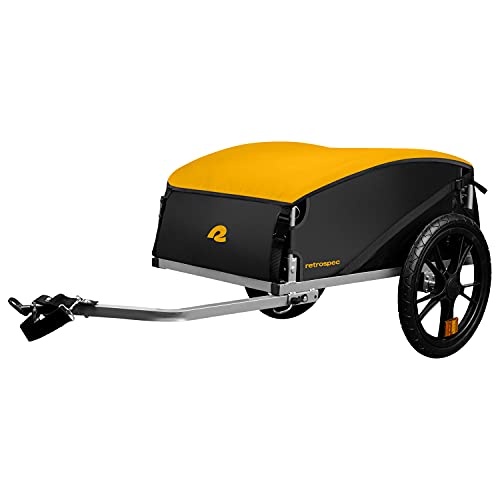
Retrospec Rover Hauler Bike Cargo Trailer - Foldable Frame with Weather-Resistant Fabric & 80lb Capacity - Universal Bike Trailer for 20-29in Wheels - Includes Safety Flag & D-Ring Anchors
WEATHER RESISTANT: Retrospec Rover Hauler sports element and weather-resistant fabric so your gear stays safe and protected no...
As an affiliate, we earn on qualifying purchases.

VEVOR Bike Cargo Trailer, 275 lbs Load Capacity, Foldable Compact Storage & Quick Release with Universal Hitch, 20" Wheels, Fits Most Bike Wheels, Carbon Steel Frame, Heavy-Duty Bicycle Wagon Cart
Professional Tire Design: Our bike trailer comes equipped with sporty 20" tires and iron hubs, providing excellent stability...
As an affiliate, we earn on qualifying purchases.