Storing a battery fully charged or completely empty can backfire because it speeds up internal corrosion and causes chemical reactions that damage its components. A fully charged battery can develop leaks or degrade faster over time, while a fully drained one becomes unstable and may suffer permanent damage. To avoid these issues, keep your batteries stored at around 40-60% charge in a cool, dry place. If you’re curious, there’s more to know about proper storage tips and conditions.

Get bike and ride gear delivered free with Prime
- Fast, free delivery on millions of items
- Prime Video, Amazon Music and more included
- Member-only deals all year
Key Takeaways
- Fully charging batteries accelerates internal corrosion, damaging components and shortening lifespan.
- Storing batteries fully drained causes chemical instability and permanent damage, especially in lithium-ion types.
- Optimal storage charge (40-60%) prevents corrosion and chemical degradation, ensuring better long-term health.
- High temperatures during storage increase chemical reactions, risking damage regardless of charge level.
- Proper storage practices, including correct charge and environment, prevent backfire effects and extend battery life.
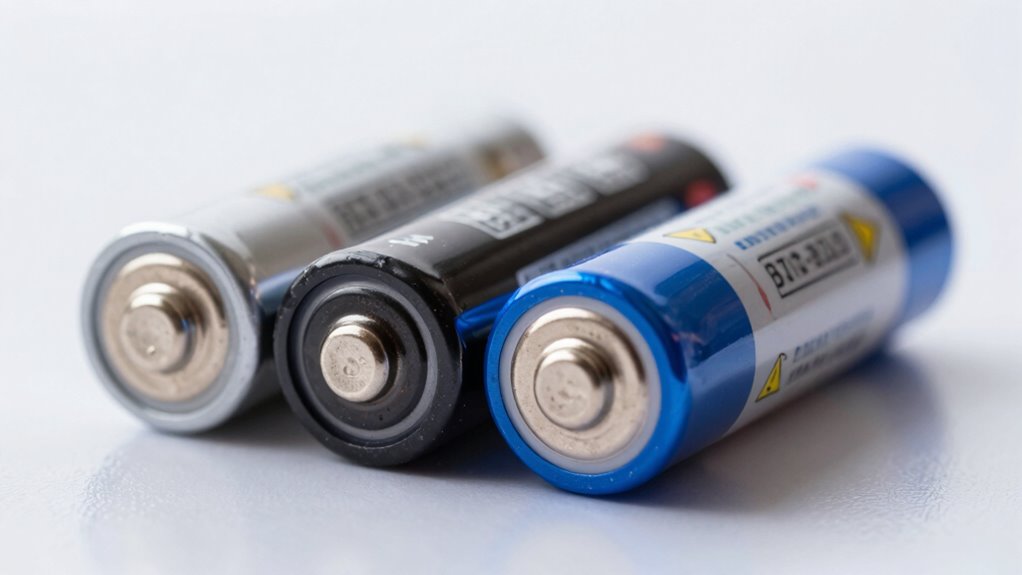
Have you ever wondered how to keep your batteries safe when they’re not in use? Proper storage is essential to prevent damage and ensure they perform well when you need them again. One common mistake people make is storing batteries either fully charged or completely drained. Both scenarios can backfire and lead to issues like battery corrosion or reduced lifespan.
Proper storage prevents battery damage and prolongs lifespan by avoiding full charge or complete drain.
When you store a battery at a full charge for an extended period, it can accelerate the formation of battery corrosion inside the cells. Corrosion occurs because the excess voltage causes chemical reactions that break down the internal components, ultimately damaging the battery’s structure. Over time, this corrosion can lead to poor performance, leaks, or even total failure. On the other hand, storing a battery completely empty isn’t much better. When the charge level drops too low, the internal chemistry can become unstable, causing the battery to become permanently damaged and unable to hold a charge later. This is especially true for lithium-ion batteries, which are common in devices today. Additionally, storing batteries at an inappropriate charge level can also increase the risk of internal damage.
To avoid these issues, charge level management is crucial. You should aim to store your batteries at a moderate charge, typically around 40-60%. This charge level minimizes the risk of corrosion from overcharging and prevents the internal chemistry from becoming unstable due to complete depletion. Keep in mind that different types of batteries have different ideal storage conditions, so it’s worth checking manufacturer recommendations. For example, NiMH batteries tend to store well at around 50%, while lithium-ion batteries are best stored at slightly lower levels if they won’t be used for a long time. Additionally, understanding battery chemistry can help you optimize storage practices based on the specific chemistry of your batteries.
Additionally, maintaining a proper environment during storage plays a big role. Store your batteries in a cool, dry place, away from direct sunlight and extreme temperatures. High heat can accelerate chemical reactions inside the battery, increasing the risk of corrosion and capacity loss. Conversely, very cold environments can also harm the internal chemistry, making it harder to recharge the battery later. Proper battery storage practices can greatly extend the life and performance of your batteries. Being aware of temperature effects on batteries can further help you choose optimal storage conditions to preserve their longevity.
Popular right now

De'Longhi Magnifica Evo Automatic Espresso Machine with Milk Frother, Silver

Ninja Foodi DZ201 8-Qt DualZone 6-in-1 Air Fryer

Bose QuietComfort Wireless Bluetooth Noise-Cancelling Headphones, Ice Blue
As an affiliate, we earn on qualifying purchases.
Frequently Asked Questions
Can Storing a Battery at a Partial Charge Extend Its Lifespan?
Storing a battery at a partial charge can indeed extend its lifespan. Based on battery chemistry, keeping it between 30% and 50% minimizes stress and reduces capacity loss over time. For ideal storage, follow best practices like keeping it in a cool, dry place, and avoiding extreme temperatures. This approach helps preserve battery health and ensures it performs well when you need it again.
How Does Temperature Affect Battery Storage Safety?
You should know that storing batteries at extreme temperatures increases safety risks. For instance, heat causes thermal expansion, which can crack the battery casing, and cold reduces chemical stability, risking leaks or fires. Keep batteries in a cool, dry place to prevent these issues. Proper temperature control preserves chemical stability, minimizes thermal expansion, and guarantees safe storage, extending your battery’s lifespan and reducing safety hazards.
Are There Specific Storage Containers for Different Battery Types?
Yes, you should use specific storage containers for different battery types to guarantee safety. For instance, lithium-ion batteries need containers with proper insulation to prevent short circuits, and good battery insulation is essential to avoid damage. Additionally, controlling storage humidity is important; low humidity prevents corrosion, especially for lead-acid batteries. Using the right containers helps maintain ideal conditions, reducing risks like leaks, fires, or capacity loss during storage.
What Are Signs of Battery Degradation During Storage?
Imagine your battery as a living thing slowly losing its sparkle. Signs of degradation include reduced capacity, increased charging times, and frequent overheating. During storage, you might notice swelling or leakage, indicating internal damage. To keep your battery healthy, avoid deep discharges and frequent charging cycles. When it’s no longer useful, remember to dispose of it responsibly through battery recycling programs to prevent environmental harm.
Should I Disconnect Batteries From Devices When Storing Long-Term?
Yes, you should disconnect batteries from devices during long-term storage to prevent unnecessary charging cycles, which can accelerate degradation. Leaving the battery in the device might cause it to slowly drain or overcharge, damaging its capacity. When storing, consider battery recycling options if the battery is no longer usable. Keeping batteries at a moderate charge level and in a cool, dry place helps preserve their lifespan and reduces the need for frequent charging cycles.
Conclusion
Storing batteries safely isn’t just about avoiding accidents; it’s about ensuring longevity and reliability. By bypassing both the bummer of being fully full or empty, you prevent potential pitfalls and preserve power. Proper placement, careful charging, and consistent checks create a confident, clutter-free storage space. Remember, mindful maintenance minimizes mishaps, maximizes mileage, and makes your battery’s life longer and stronger. Keep it cool, cautious, and conscientious—your batteries will thank you with power and performance.