TL;DR

Get bike and ride gear delivered free — and shop member deals
- Fast, free delivery on millions of items
- Access to Prime Big Deal Days deals on October 6–7
- Prime Video, Amazon Music and more included
Many companies and researchers are rapidly advancing solid-state battery development due to their potential for higher energy density and safety. While significant progress has been made, commercial deployment remains uncertain, with ongoing technical and manufacturing challenges.
Multiple technology companies, automakers, and research institutions are intensifying efforts to develop solid-state batteries, citing their potential to revolutionize energy storage with higher capacity and improved safety. This surge reflects growing industry confidence that solid-state technology could be a key to next-generation electric vehicles and portable electronics, though commercial viability is still under development.
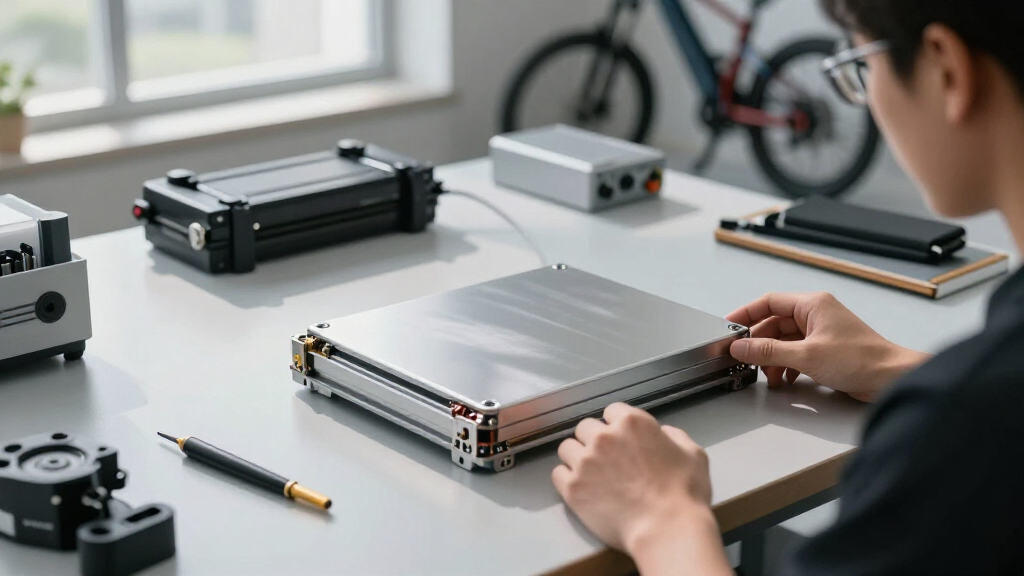
Recent investments from major automakers like Toyota and Ford, alongside startups such as QuantumScape and Solid Power, underscore the industry’s belief in solid-state batteries as a game-changer. These batteries replace the liquid electrolyte used in conventional lithium-ion cells with a solid material, promising higher energy density, faster charging, and enhanced safety by reducing flammability risks. Despite these advances, challenges remain in scaling production, ensuring long-term durability, and reducing manufacturing costs. Experts acknowledge that while prototypes have demonstrated promising performance, commercial deployment could still be years away due to technical hurdles and supply chain issues.In recent months, several companies announced progress in solid electrolyte materials and cell design, with some claiming to achieve record energy densities. However, industry insiders caution that these are early-stage results, and mass manufacturing remains a complex task requiring significant innovation and investment.
Impacts of Solid-State Batteries on Industry and Consumers
The push for solid-state batteries signals a potential shift in energy storage technology, with the possibility of longer-lasting, safer, and faster-charging batteries. For consumers, this could mean more reliable electric vehicles and portable devices. For automakers and battery manufacturers, overcoming technical and production hurdles could lead to a competitive edge in the rapidly growing EV market. The widespread adoption of solid-state batteries could also accelerate the transition away from fossil fuels, impacting global energy and environmental policies.As an affiliate, we earn on qualifying purchases.
Recent Developments and Industry Momentum Behind Solid-State Batteries
The interest in solid-state batteries has surged over the past few years, driven by advancements in materials science and increasing demand for better energy storage solutions. Major automakers like Toyota, Volkswagen, and BMW have announced plans to incorporate solid-state batteries into their future EV models by the late 2020s. Investment in startups such as QuantumScape, Solid Power, and SES has reached billions of dollars, reflecting confidence in the technology’s potential. Despite these developments, the technology remains in the prototype and pilot phases, with significant technical and manufacturing challenges to overcome before mass-market adoption is feasible. Historically, solid-state batteries have been considered promising but elusive, with many previous efforts facing setbacks due to material instability and high production costs.high energy density lithium-ion batteries
As an affiliate, we earn on qualifying purchases.
As an affiliate, we earn on qualifying purchases.
Unresolved Technical and Commercial Challenges
While prototypes have shown promising performance, it is not yet clear when solid-state batteries will be available at scale or whether they will meet cost and durability expectations for widespread commercial use. The manufacturing processes need further refinement, and long-term stability data is still limited.As an affiliate, we earn on qualifying purchases.
Next Steps Toward Commercialization and Industry Adoption
Industry leaders and startups are expected to continue refining materials and manufacturing techniques over the next 1-3 years. Key milestones include pilot production runs, safety testing, and partnerships with automakers to integrate solid-state batteries into prototype vehicles. Regulatory approvals and supply chain development will also play crucial roles in determining the timeline for mass-market availability.As an affiliate, we earn on qualifying purchases.
Key Questions
What are solid-state batteries and how do they differ from traditional lithium-ion batteries?
Solid-state batteries use a solid electrolyte instead of a liquid one, which can provide higher energy density, faster charging, and improved safety by reducing flammability risks.
Why are so many companies investing heavily in solid-state battery research?
Because they offer the potential for longer-lasting, safer, and more efficient energy storage, which is critical for electric vehicles, portable electronics, and renewable energy integration.
What are the main technical hurdles remaining for solid-state batteries?
Major challenges include developing stable, scalable materials, ensuring long-term durability, and reducing manufacturing costs to make the technology commercially viable.
When might we see solid-state batteries in commercial products?
Industry experts estimate that commercial deployment could occur in the late 2020s or early 2030s, depending on progress in overcoming current technical and manufacturing challenges.
Source: hn
Fall Picks
fall essentials
As an affiliate, we earn on qualifying purchases.