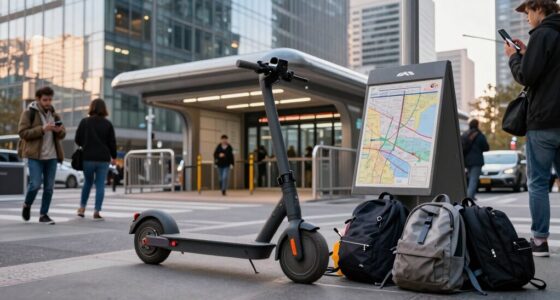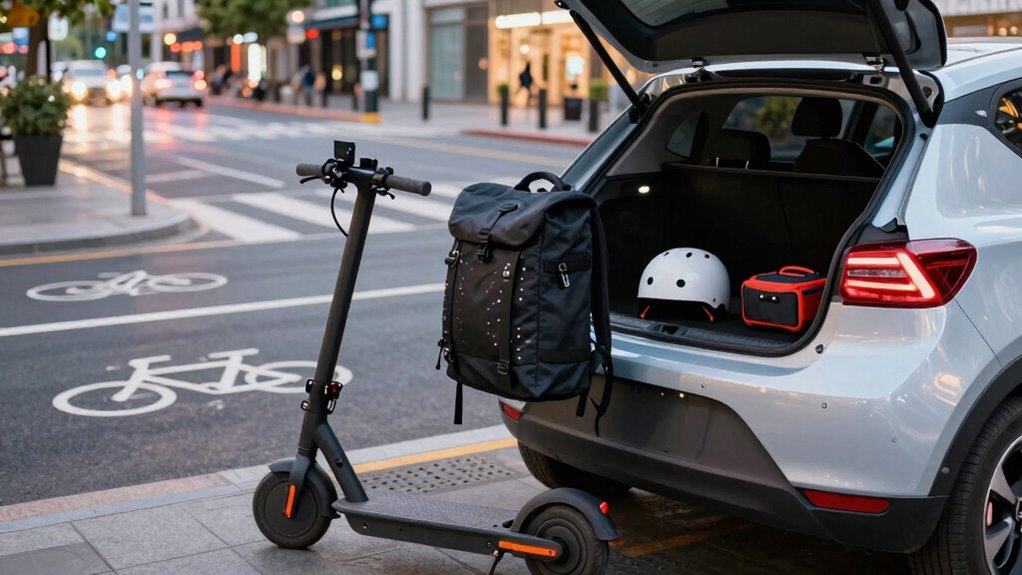

To build a car backup plan for your micromobility commute, research nearby parking options and understand local regulations to avoid fines or towing. Consider long-term parking or car-sharing services that fit your budget. Stay informed about insurance requirements and vehicle maintenance needs. Establish clear strategies for switching modes quickly, and keep track of community infrastructure that supports accessible parking. If you want practical tips to stay flexible and prepared, you’re in the right place.
Get ready for Prime Big Deal Days — try Prime free
Exclusive member deals on October 6–7, plus fast free delivery. Cancel anytime.
As an affiliate, we earn on qualifying purchases.
Key Takeaways
- Identify reliable parking options and check local regulations to prevent fines or towing issues.
- Establish a clear transition routine from micromobility to car use for seamless commuting.
- Ensure your vehicle insurance covers occasional or long-term backup use, updating documentation as needed.
- Research parking permits or designated zones to secure accessible and compliant parking spots.
- Stay informed about urban planning and community infrastructure that support convenient parking solutions.
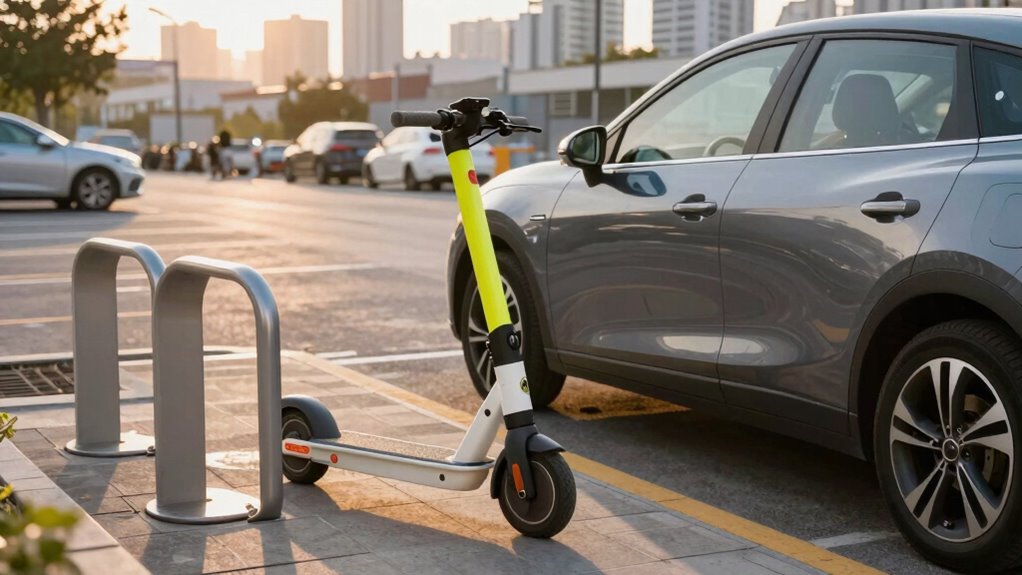
Micromobility options like e-scooters and bikes have transformed your daily commute, offering a quick and eco-friendly way to get around. But what happens when weather, bike damage, or city restrictions make these options less viable? Building a backup plan involving a car guarantees you’re never left stranded. To do this effectively, you need solid parking strategies and a clear understanding of insurance considerations. Parking strategies are essential because unlike bikes and scooters, cars require designated spots. Before committing, research nearby parking facilities or street parking regulations to avoid fines or towing. Some cities offer parking permits or designated zones for residents, so check if you qualify. If you’re working with limited space, consider car-sharing options or parking garages that allow long-term storage at reasonable rates. This way, you can shift smoothly from micromobility to driving without the stress of hunting for parking spots. Additionally, understanding urban planning and how it influences parking availability can help you make informed decisions about your backup plan. Being aware of local zoning laws and parking regulations can also help you identify the most practical options for your needs. Exploring local policies can further enhance your understanding of available parking solutions and restrictions that might impact your backup plan. Staying informed about municipal regulations can also prevent unexpected complications when using or parking your vehicle. Moreover, considering the community infrastructure can provide insights into the most accessible and convenient parking options in your area. Staying proactive about these factors ensures a smoother transition between modes of transportation. Remember, your backup plan is about flexibility and peace of mind. You want to confidently switch between micromobility and your car without stress, knowing you’ve planned carefully for parking and insurance. By establishing clear parking strategies and understanding your insurance considerations, you guarantee your commute remains smooth regardless of circumstances. This way, you stay adaptable, eco-conscious, and prepared to tackle any unforeseen challenges in your daily travel routine.
parking permits for cars near me
As an affiliate, we earn on qualifying purchases.
As an affiliate, we earn on qualifying purchases.
Frequently Asked Questions
What Types of Vehicles Are Best for Backup Plans?
You should choose versatile, reliable vehicles like compact cars, scooters, or motorcycles for backup plans. These alternative vehicle options are easy to store and quick to deploy, making them ideal emergency transport methods. Opt for fuel-efficient, easy-to-maneuver vehicles to guarantee smooth shifts during unexpected micromobility disruptions. Having a small, dependable vehicle ensures you stay mobile, no matter what, and keeps your commute flexible and stress-free.
How Much Should I Budget for a Backup Car?
You should budget around $5,000 to $10,000 for a reliable backup car. Consider insurance costs, which vary by vehicle and coverage, and parking considerations in your area to avoid fines or hassle. Choose a fuel-efficient, dependable used car to keep costs manageable. Planning for maintenance and unexpected repairs helps you stay prepared. Balancing these expenses guarantees your backup plan is practical without breaking the bank.
How Do I Coordinate Car and Micromobility Schedules?
Imagine syncing your morning ride with your car’s heartbeat—timing your micromobility and car schedules seamlessly. You set alerts for car maintenance and guarantee your insurance coverage is up-to-date. By planning your departure times, you avoid overlap, and stay flexible for unexpected delays. Regularly check traffic apps, update your calendar, and prepare your bike and car the night before. This keeps your commute smooth, stress-free, and perfectly coordinated.
What Safety Precautions Are Needed for Car Backups?
You need to prioritize emergency preparedness by keeping a well-stocked safety kit, including first aid supplies and roadside assistance tools. Guarantee vehicle security by locking doors and parking in well-lit, secure areas. Regularly check your backup car’s maintenance, tires, and brakes to prevent breakdowns. Keep emergency contacts handy, and familiarize yourself with local emergency procedures. These precautions help protect you and ensure you’re ready if your primary mode of transport isn’t available.
How Do I Store and Maintain My Backup Vehicle?
Imagine your backup vehicle parked peacefully in your garage, ready when needed. To keep it in prime condition, follow a regular maintenance schedule—checking tire pressure, fluid levels, and battery health. Make sure your vehicle insurance is up to date, providing peace of mind. Store it in a dry, sheltered spot to prevent rust. Regularly start the engine and move it slightly to keep parts lubricated and ready for your next ride.
compact car for backup transportation
As an affiliate, we earn on qualifying purchases.
As an affiliate, we earn on qualifying purchases.
Conclusion
Having a car backup plan for your micromobility commute is like having a safety net beneath a tightrope—it keeps you balanced and confident, no matter what surprises come your way. By planning ahead and knowing your options, you guarantee your journey remains smooth and stress-free. So, gear up with a reliable backup, and you’ll glide through your days with the ease of a well-oiled machine, ready to adapt whenever needed.
car insurance for occasional use
As an affiliate, we earn on qualifying purchases.
As an affiliate, we earn on qualifying purchases.
As an affiliate, we earn on qualifying purchases.
Fall yard work Picks
leaf blowers
As an affiliate, we earn on qualifying purchases.