Contamination of your brake pads with oil, grease, dirt, or brake fluid can be vital in cutting your stopping power and jeopardizing safety. These impurities create a barrier that reduces friction between the pads and rotors, making it harder to stop quickly. To avoid this mistake, regular inspections and proper maintenance are essential. If you want to learn more about preventing brake contamination and protecting your vehicle’s performance, keep paying attention to these essential tips.

Get bike and ride gear delivered free — and shop member deals
- Fast, free delivery on millions of items
- Access to Prime Big Deal Days deals on October 6–7
- Prime Video, Amazon Music and more included
Key Takeaways
- Contamination from oil, grease, or brake fluid reduces friction, severely impairing stopping power.
- Improper handling during installation can transfer contaminants, diminishing brake performance.
- Dirt, road grime, or moisture buildup on pads and rotors decreases braking efficiency.
- Lack of regular inspections allows leaks and dirt to contaminate brake components unnoticed.
- Neglecting cleaning and maintenance leads to uneven wear and compromised braking safety.
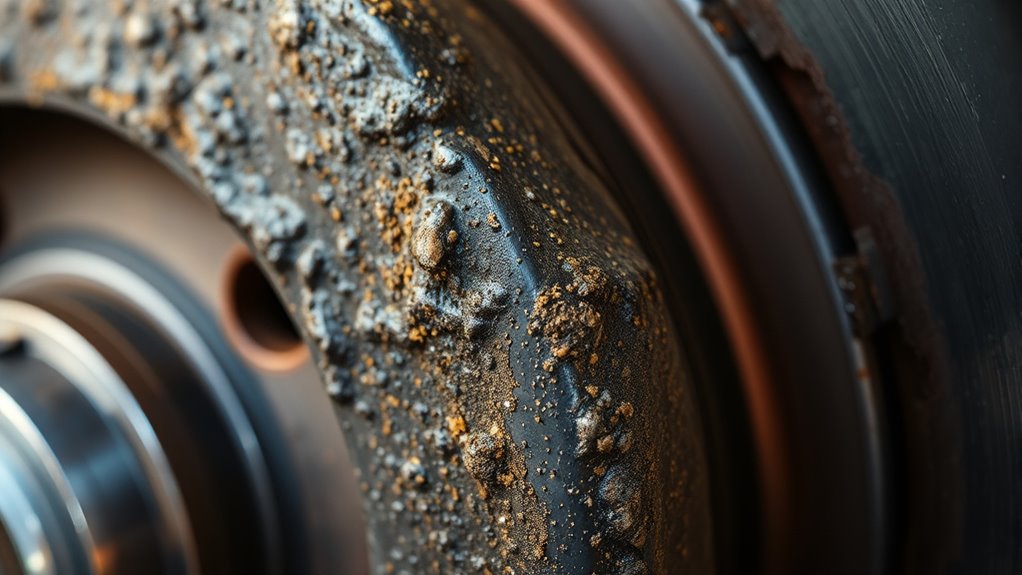
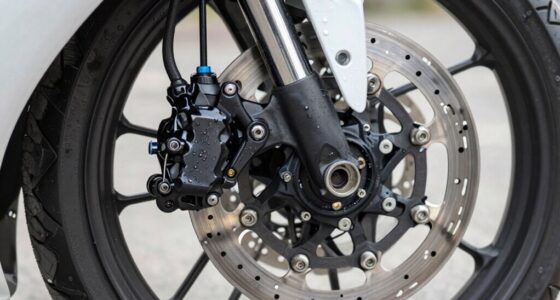
Brake pad contamination occurs when foreign substances like oil, grease, dirt, or brake fluid come into contact with the pads, impairing their ability to function properly. These contaminants can considerably reduce your braking performance, making it harder to stop quickly and safely. Understanding what causes brake pad contamination and how to prevent it is essential for maintaining peak braking efficiency. Brake pad contamination causes are varied but often stem from improper maintenance, leaks, or exposure to harsh environments. For example, oil leaks from engine components or transmission fluid leaks can seep onto your brake pads, creating a slick surface that diminishes friction. Dirt and road grime, especially when combined with moisture, can settle on the pads and rotors, leading to uneven wear and reduced stopping power. Brake fluid can also contaminate pads if there’s a leak in the hydraulic system, spreading fluid onto the surface and compromising the brake pad’s ability to grip the rotor. Additionally, proper maintenance practices play a crucial role in preventing contamination by ensuring all components are functioning correctly and free of leaks.
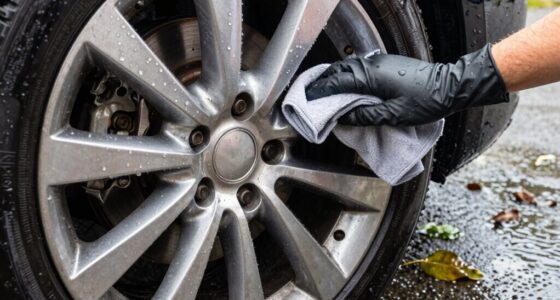
To prevent contamination from occurring, you should adopt specific contamination prevention methods. Regular inspections are key; check for leaks in brake lines, hoses, and wheel cylinders, and address any issues promptly. When servicing your brakes, ensure that the pads and rotors are cleaned properly with brake cleaner, which removes dirt, grease, and other foreign substances. Be cautious during brake pad replacement or rotor maintenance—avoid touching the friction surface with your bare hands, as oils from your skin can transfer onto the pads. If you’re working in a dusty or muddy environment, consider covering the brake components or doing maintenance in a clean, dry area. Additionally, if you notice any fluid leaks, get them fixed immediately to prevent brake fluid contamination. Using high-quality brake components and ensuring proper installation can also help reduce the risk of contamination, as poorly manufactured parts are more prone to leaks or other failures that lead to contamination.
In essence, understanding the common causes of brake pad contamination and applying effective prevention methods can save you from costly repairs and, more importantly, safety hazards. Keeping your braking system clean and leak-free ensures that your brake pads can perform at their best when you need them most. Regular maintenance, careful handling during repairs, and proactive leak detection form the foundation of effective contamination prevention. When you stay vigilant and maintain your brakes properly, you preserve their stopping power and extend their lifespan, keeping you safe on every journey.
As an affiliate, we earn on qualifying purchases.
Frequently Asked Questions
Can Contamination Affect Brake Pad Lifespan?
Yes, contamination can substantially affect your brake pad lifespan. When dirt, oil, or brake fluid contaminates the pads, it causes uneven wear and reduces their effectiveness. These contamination effects lead to faster deterioration, meaning you’ll need to replace your brake pads more frequently. To prolong their lifespan, keep your brake system clean and avoid exposure to contaminants, ensuring consistent stopping power and safer driving.
How Do I Prevent Brake Pad Contamination?
Did you know that dust buildup and chemical exposure account for over 60% of brake pad contamination cases? To prevent this, regularly inspect and clean your brake components, especially after driving in dusty or chemical-heavy environments. Avoid touching brake pads with oily hands and keep your brake area free of debris. Using high-quality brake lubricants and protective covers also helps shield against contamination, ensuring your stopping power remains ideal.
What Are the Signs of Contaminated Brake Pads?
You’ll notice contaminated brake pads by a soft or spongy pedal feel, which indicates moisture or oil contamination. You might also hear squealing or grinding noises, especially if pad material has deteriorated or been compromised by contamination sources like grease or dirt. Visual signs include uneven pad wear or discoloration. If these signs appear, it’s essential to inspect and replace your brake pads to restore proper stopping power and safety.
Are Certain Driving Conditions More Prone to Contamination?
You’re risking your brakes every time you drive through muddy, dusty, or grimy conditions. Certain driving environments, especially those filled with road grime and environmental debris, make your brake pads more prone to contamination. When you hit dirt roads, construction zones, or areas with heavy pollution, contaminants cling to the pads, reducing stopping power drastically. Stay vigilant, clean your brakes regularly, and avoid neglecting these risky conditions to keep your stopping ability at peak performance.
Is Professional Cleaning Necessary for Contaminated Pads?
Yes, professional cleaning is necessary if your brake pads are contaminated with chemical buildup or oil seepage. These contaminants can severely reduce stopping power by creating a slippery surface. A professional can properly clean and inspect your pads, guaranteeing no residual chemicals or oil remain that could compromise safety. Don’t ignore contamination—getting expert help ensures your brakes perform reliably and prevent dangerous situations on the road.
As an affiliate, we earn on qualifying purchases.
Conclusion
To prevent brake pad contamination, stay vigilant, stay informed, and stay proactive. Regular inspections, proper cleaning, and careful handling keep your brakes functioning at their best. Avoiding contamination isn’t just about maintenance; it’s about ensuring safety, reliability, and peace of mind every time you hit the road. By recognizing issues early, addressing them promptly, and maintaining your brakes diligently, you protect yourself, your passengers, and everyone around you. Because in the end, stopping power depends on your attention and action.
As an affiliate, we earn on qualifying purchases.
As an affiliate, we earn on qualifying purchases.
Fall Picks
fall essentials
As an affiliate, we earn on qualifying purchases.