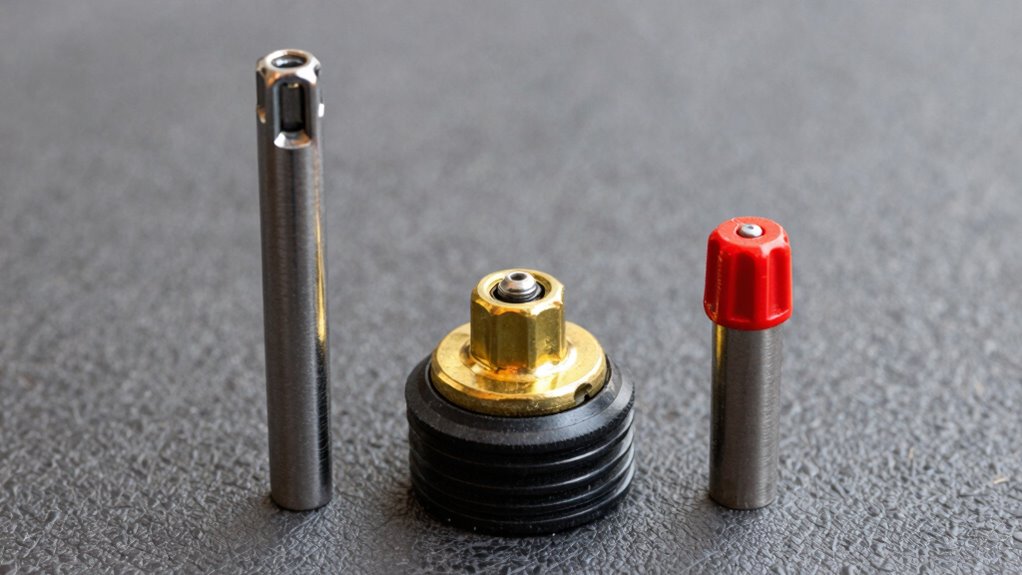

If you’re comparing Presta, Schrader, and scooter valves, you’ll notice they differ in size and shape—Schrader valves are wider and resemble car valves, Presta are narrower and threaded, while scooter valves often look like mini Schrader types but are designed for high pressure. Compatibility depends on using the right pump head or adapters. Proper inflation techniques help prevent leaks and damage. Keep exploring to learn how to choose and maintain each type for ideal performance.
Listen free for 30 days with Audible
Thousands of audiobooks and originals — cancel anytime.
As an affiliate, we earn on qualifying purchases.
Key Takeaways
- Schrader valves are wider (~8mm) and compatible with most car and bicycle pumps, making them highly versatile for inflation.
- Presta valves are narrower (~6mm), threaded, and require specific pump heads designed for high-pressure, narrow valves.
- Scooter valves resemble Schrader but are more compact, designed for small, high-pressure tires, and may need adapters for certain pumps.
- Pump compatibility varies; universal pumps with adjustable nozzles suit all valve types, while specialized pumps are for specific valves.
- Using appropriate adapters ensures seamless inflation across different valve types, preventing leaks and damage during maintenance.

MEAJOO 2PCS Brass Presta Valve Adapter, Convert Presta to Schrader Adaptor, Inflate Tire Using Standard Pump or Air Compressor for Bikes, 2 Pack Black Tire Valve Caps(Reticulated Grain Style)
- Material: High-quality solid brass for durability
- Design: Converts Presta to Schrader for easy inflation
- Convenience: Stay on valve for quick use
As an affiliate, we earn on qualifying purchases.
As an affiliate, we earn on qualifying purchases.
Key Differences Between Presta, Schrader, and Scooter Valves
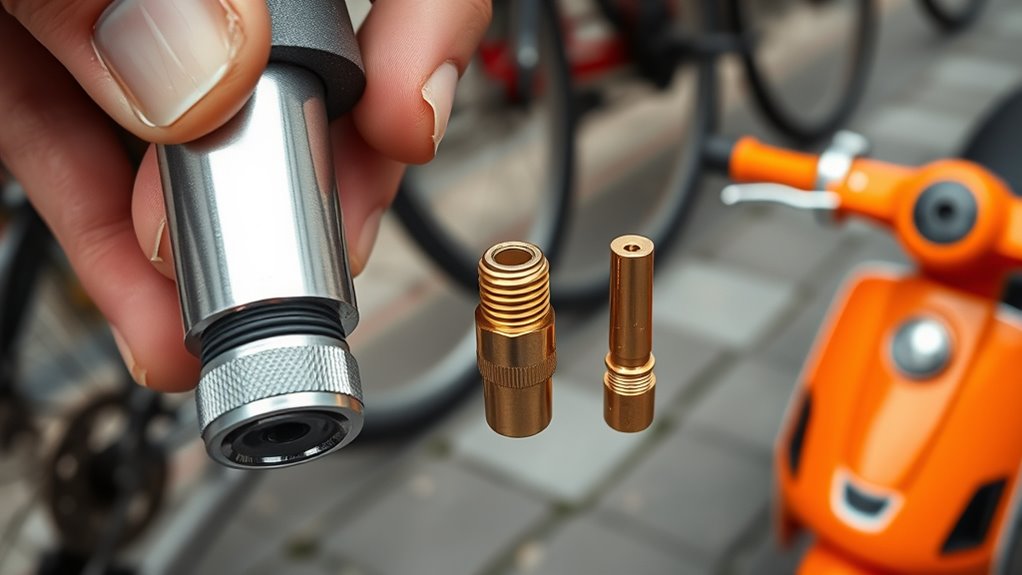
Understanding the key differences between Presta, Schrader, and scooter valves is essential for choosing the right inflation system for your bike or scooter. Valve history reveals that Schrader valves originated in the early 20th century, becoming popular due to their durability and compatibility with car pumps. Presta valves, developed later, feature a narrower design and require a specific inflation technique, often involving a lock nut. Scooter valves, usually a variation of Schrader or Presta, are designed for compactness and quick inflation. Knowing these distinctions helps you select the right pump and avoid damage. Each valve type has unique inflation techniques, and understanding their design evolution gives insight into their design evolution. This valve compatibility knowledge guarantees efficient, safe, and compatible inflation for your ride.

BV Bike Pump out of durable Steel – Bicycle pump 160 PSI high Pressure, Bike Tire Pump 17/24 inch Smart Valve Head, Schrader bike pump with gauge, Automatically Reversible Presta & Schrader, ball pump
- Ergonomic Handle: Comfortable, ergonomic bike pump handle
- High Pressure Capacity: 160 PSI for bikes and balls
- Compact Design: 16.25-inch portable pump
As an affiliate, we earn on qualifying purchases.
As an affiliate, we earn on qualifying purchases.
Identifying Your Valve Type: Visual Features and Measurements
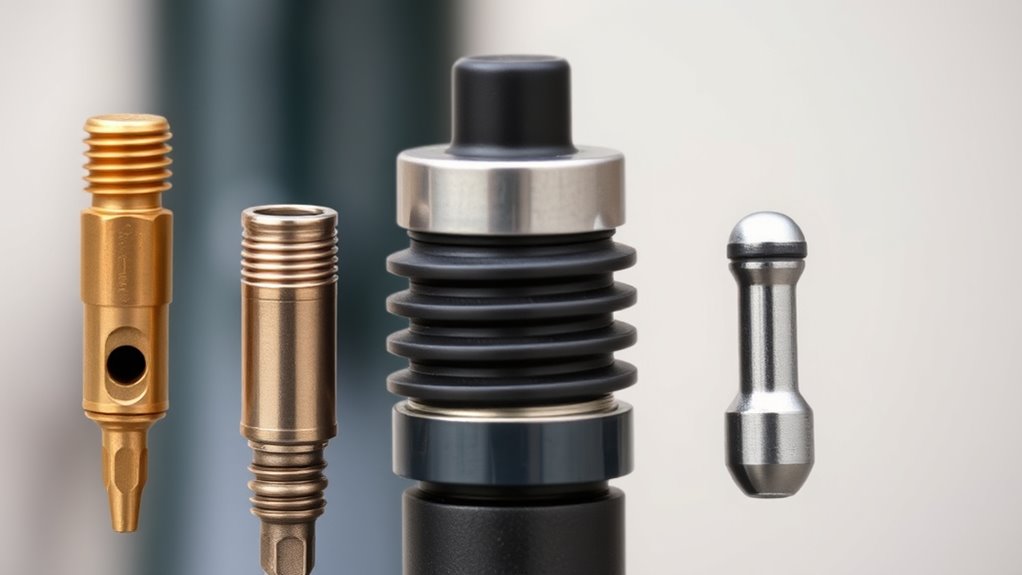
To identify your valve type, start by examining its shape and size; Presta valves are slim and threaded, while Schrader valves are wider and resemble car tire valves. Scooter valves often have a unique design with a cap that twists or flips open. Additionally, look at the valve cap and core features to distinguish between them easily. Knowing the different valve types can help you select the correct pump and accessories for your needs. Recognizing the energetic alignment of your tools and accessories can further improve your efficiency and ensure a proper fit.
Valve Shape and Size
Identifying your valve type starts with examining its shape and size, since each valve has distinctive visual features. The valve shape and size are key clues to determine compatibility.
- Schrader valves are wider, with a round, metal or rubber exterior, usually about 8mm in diameter.
- Presta valves are slimmer, with a narrow, elongated shape and a threaded metal body, typically around 6mm wide.
- Scooter valves are often similar in size to Schrader valves but sometimes have a different, more compact shape, with a shorter length.
- Additionally, understanding the valve compatibility is essential for selecting the correct pump or accessories.
- Recognizing the valve design helps prevent damage to the valve or pump during inflation.
Valve Cap and Core Features
Examining the valve cap and core features provides crucial clues to determine your valve type. Valve cap designs vary: Schrader valves usually have a threaded metal or plastic cap, while Presta valves feature a smaller, knurled or smooth cap that’s often shorter. Scooter valves, depending on the model, may have unique caps or none at all. The valve core functions also differ; Schrader cores are wider with a spring-loaded pin, allowing air to flow in both directions. Presta cores are narrower with a removable screw-in valve pin, giving precise control. By inspecting these features, you can identify your valve type quickly. Clear understanding of the cap designs and core functions helps guarantee compatibility with your pump and accessories, preventing mishandling or damage.

GYL Inflation Kit Pump Extension Hose, DV AV SV Converter & Ball Pump Needles, with Presta/Schrader Valve Adapters for Bikes, Electric Scooters, Balls and Inflatable Gear
- Complete Inflation Accessory Set: Includes nozzles, needles, hose, adapters, and rings
- Universal Compatibility: Fits various air nozzles and inflatable items
- Compact Portable Design: Stored in a small, lightweight plastic box
As an affiliate, we earn on qualifying purchases.
As an affiliate, we earn on qualifying purchases.
Compatibility of Pumps With Different Valve Types
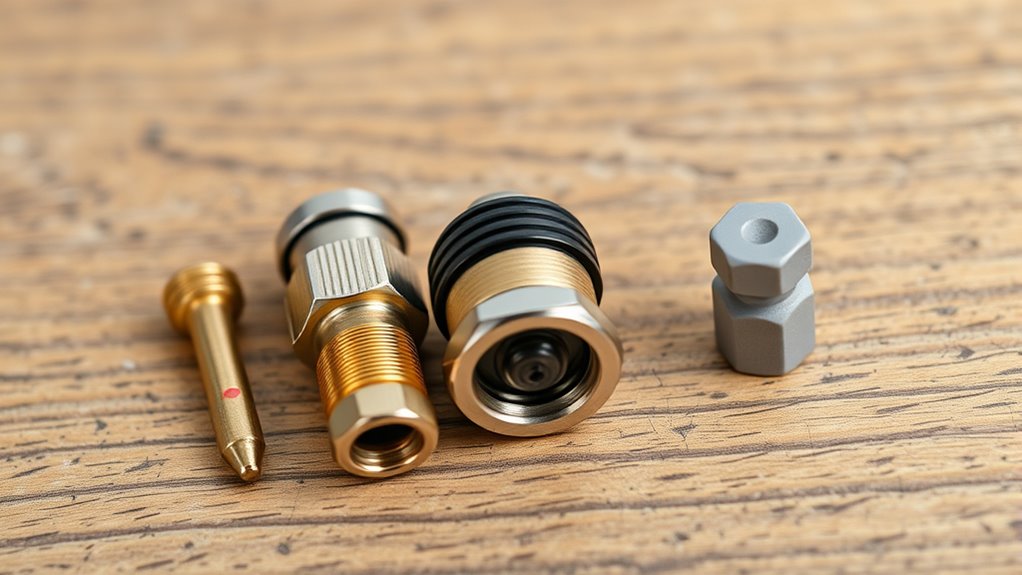
When choosing a pump, it’s important to take into account whether it can effectively work with the valve types on your tires or scooters. Different pumps are designed to fit specific valve stems, affecting how well they control air flow and sealing. For example, some pumps are compatible with Schrader valves but not Presta or scooter valves, and vice versa. A pump’s nozzle must fit securely to prevent air leaks during inflation.
- Pumps with universal nozzles adapt to various valve stems, ensuring a tight seal.
- Check if the pump’s head has adjustable settings for different valves.
- Consider whether the pump provides smooth air flow without leaks, especially with delicate valves like Presta.
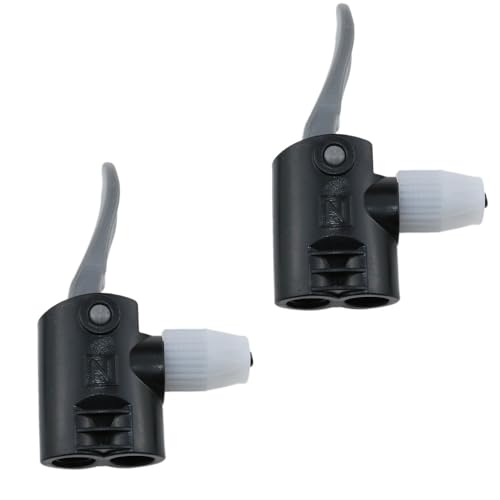
Meuey Lyot 2 Pack Dual Head Bike Pump Adapter for Presta and Schrader
- High-Quality PVC Material: Durable, eco-friendly, long-lasting construction
- 2 Pack Replacement Nozzles: Includes two quick-fit adapters for versatility
- Easy to Use and Carry: Simple operation, lightweight, space-saving design
As an affiliate, we earn on qualifying purchases.
As an affiliate, we earn on qualifying purchases.
Adapters and Converters: Making Different Valves Work Together
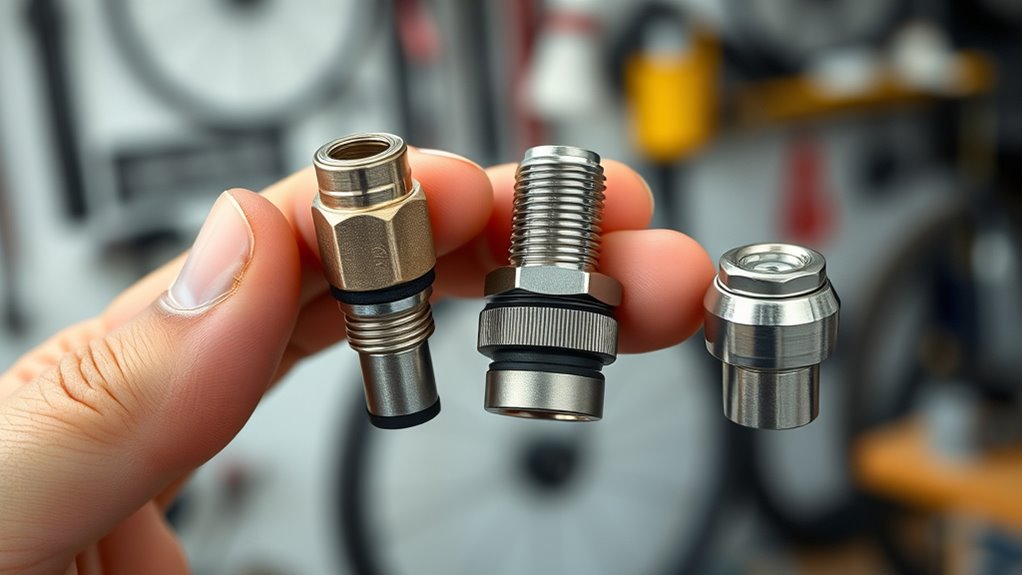
Using adapters and converters can help you connect different valve types easily, but choosing the right one is essential. Make sure the adapter is compatible with your pump and valve, and follow proper installation tips to prevent leaks. With the right setup, you can inflate your tires or tubes without hassle. Be aware of Free Floating mechanisms that might influence valve compatibility and ensure the adapter suits your specific needs. Being aware of Valve compatibility can help prevent issues during inflation or repair. For example, understanding the Youngster Choice can provide insights into different types of valves used in various applications. Additionally, considering the Historical Significance of valve types can guide you in selecting durable and reliable options for long-term use.
Compatibility of Adapters
Adapters and converters are essential tools for guaranteeing different valve types can work with your pump or inflator. They bridge the gap between various valve materials and designs, making inflation straightforward. When choosing an adapter, consider how well it supports valve durability, especially if you frequently inflate high-pressure tires. Compatibility depends on the connector’s size and design, which must fit both your valve and pump securely.
- Ensure the adapter matches the valve material to avoid damage or leaks.
- Verify that the adapter’s seal maintains valve durability over repeated use.
- Check if the converter supports your specific valve type without compromising inflation efficiency.
Proper Installation Tips
To guarantee a secure and effective connection between your pump and various valve types, proper installation is key. Start by selecting the right adapter or converter for your valve and pump. Ensure it fits snugly to prevent leaks that can reduce pump efficiency. When attaching, tighten connections firmly but avoid overtightening, which can damage the valve or adapter, compromising valve durability. Before inflating, double-check that the connection is secure and free of debris. Use the correct pump settings for each valve type to avoid over or under-inflation. Proper installation minimizes pressure loss and prevents damage, maintaining the longevity of your valves. Taking these steps ensures your pump operates efficiently, and your valves stay durable over time. Additionally, understanding the compatibility of different valve types can help you select the most suitable components for your setup.
Tips for Inflating and Maintaining Presta Valves
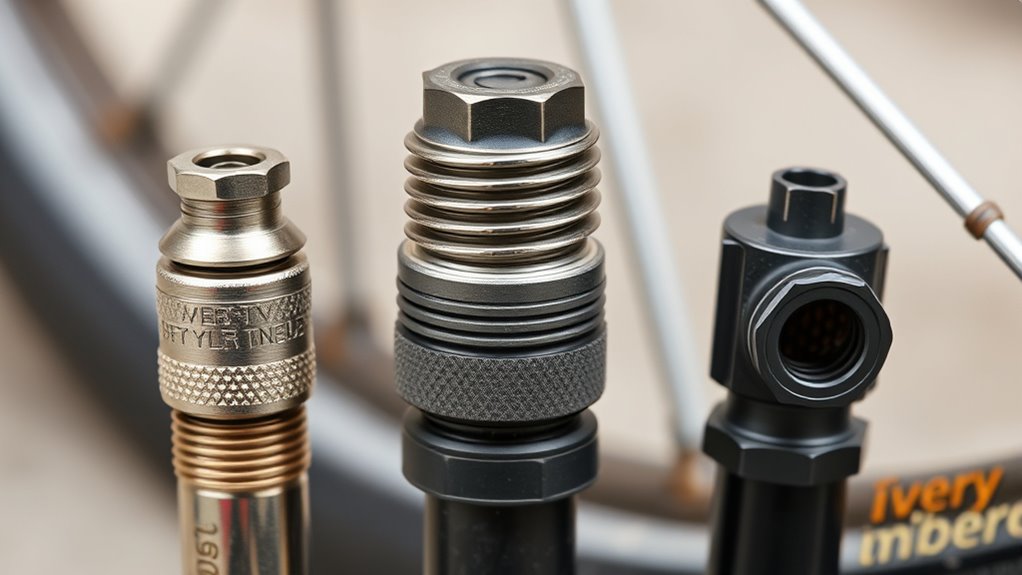
Properly inflating and maintaining Presta valves guarantees your bike performs at its best. To extend valve longevity and assure quick inflation, start by unscrewing the small valve nut slightly before attaching your pump. Use a compatible pump head to avoid damaging the valve and maintain a steady inflation speed. Regularly check the valve for dirt or debris, which can cause leaks or slow down inflation. Keep the valve clean and add a drop of lubricant if it feels stiff. When not in use, tighten the valve nut to prevent dirt ingress. Modern pump technology can also help ensure a secure and efficient inflation process. Additionally, understanding the compatibility of your valve type with various pumps helps prevent damage and ensures a smooth inflation experience. Attach the pump firmly for a secure seal, avoid overtightening to prevent damage, and regularly inspect for leaks or debris.
How to Use Schrader Valves With Various Pumping Devices
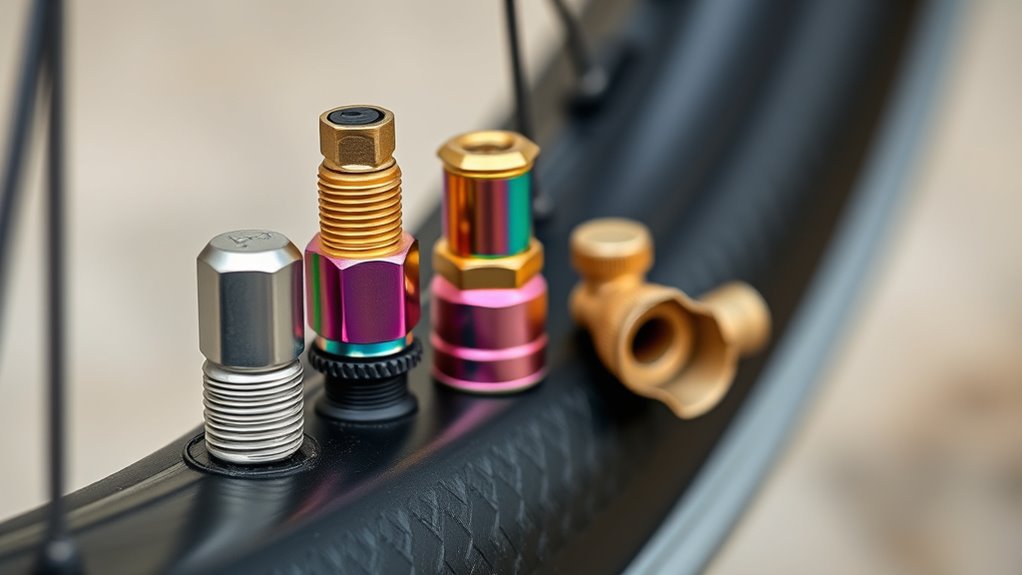
Using Schrader valves with various pumping devices is straightforward once you’re familiar with their design. Most air pumps, especially those for car tires and bicycles, include a Schrader-compatible nozzle. To guarantee proper connection and valve longevity, press the pump nozzle firmly onto the valve stem, creating a secure seal. Use the pump’s inflation techniques to avoid over-inflation or leaks. When disconnecting, do so quickly to prevent air loss. If you encounter resistance, check for debris or damage that could impair valve function. Regularly inspect the valve to maintain its integrity and prevent leaks. Proper use of compatible pumps not only makes inflation easier but also helps preserve the valve’s lifespan, ensuring reliable performance over time. Additionally, maintaining clean and well-maintained valves can significantly improve air purifier efficiency, as contaminants or debris can cause leaks or malfunctions. Incorporating smart home monitoring to track valve performance can further prolong its lifespan and ensure optimal operation. Understanding the valve compatibility also helps in selecting the right tools for different applications, reducing the risk of damage. Furthermore, being aware of different body piercing types can help in choosing appropriate jewelry and care routines to prevent infections and irritation. Moreover, choosing the right dog accessories can make maintenance and usage even more seamless and effective, especially for active breeds like Golden Retrievers and Rottweilers.
Specialized Scooter Valve Features and Compatibility Considerations
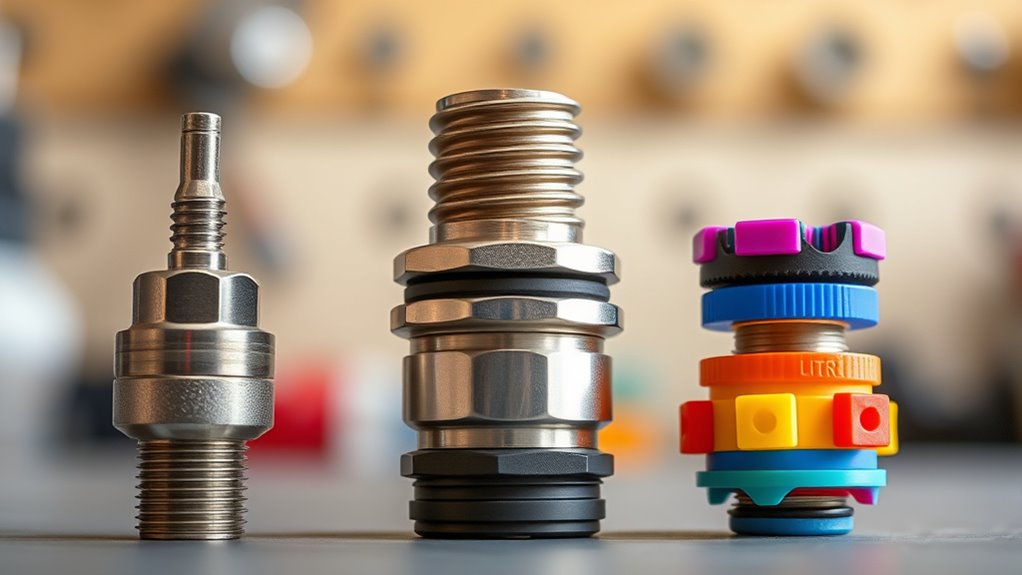
Scooter valves are designed with unique features to handle the demands of small, high-pressure tires, often requiring specialized compatibility considerations. These valves focus on maximizing valve longevity and minimizing air leakage over time. You’ll notice that scooter valves often have a narrower stem and a secure sealing mechanism to prevent air from escaping during rides. Compatibility issues can arise if the valve isn’t suited for your pump or rim type, leading to potential air leakage or difficulty maintaining pressure. Additionally, their specialized design ensures they can withstand frequent use and pressure fluctuations common in scooter tires.
Troubleshooting Common Valve Compatibility Issues
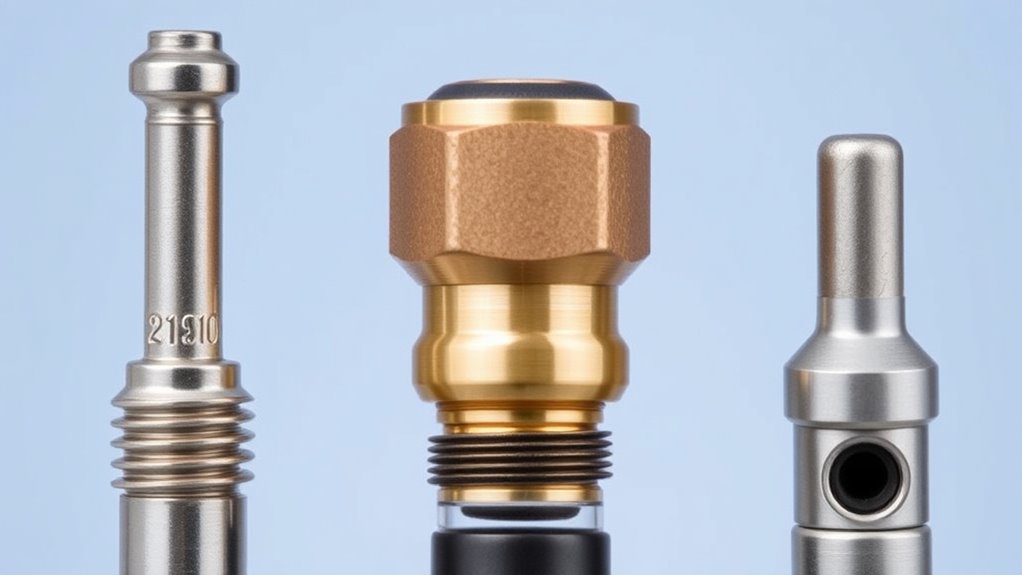
When your valve isn’t compatible with your pump or rim, air leaks or pressure issues often follow, making it frustrating to maintain proper tire inflation. To troubleshoot, start by inspecting the valve for damage or debris. If you notice leaks, a quick valve repair—like replacing a worn-out core or sealing a crack—can resolve the problem. Confirm your pump nozzle fits securely; incompatible connections can cause pressure monitoring errors and slow leaks. Using an adapter might help if you’re facing compatibility issues. Always check that the valve type matches your rim, as mismatched valves can prevent proper inflation. Regularly testing your valve’s integrity and sealing it properly ensures ideal pressure retention and easier pressure monitoring, saving you time and hassle on the road or trail. Additionally, verifying that the valve is compatible with your valve type, such as Presta, Schrader, or scooter valves, can prevent future issues and improve your overall maintenance experience.
Frequently Asked Questions
Can I Convert Presta Valves to Schrader Without Damaging the Valve?
You can convert Presta valves to Schrader without damaging the valve if you use a proper valve conversion kit. These kits typically include an adapter that fits over the Presta valve, ensuring pump compatibility. Be gentle during the process to avoid damaging the valve or the valve stem. Always check that the adapter fits snugly, and avoid forcing it, to keep your valve in good condition and maintain proper air pressure.
Are There Universal Pumps Compatible With All Valve Types?
You can find pumps with universal compatibility, so you don’t have to reinvent the wheel. These pumps are designed for pump versatility, fitting both Presta and Schrader valves comfortably. It’s a win-win, saving you time and hassle. Just make sure to check the pump’s features to verify it supports all valve types, so you’re ready for any situation. This way, you stay prepared and avoid being caught flat-footed.
How Do Temperature Changes Affect Different Valve Types?
Temperature fluctuations can impact valve durability, causing expansion and contraction that may weaken the seals over time. Schrader valves typically handle temperature changes well due to their robust design, while Presta valves are more sensitive and can suffer from seal issues with frequent fluctuations. Scooter valves, depending on their construction, may also be affected. To guarantee longevity, choose valves suited for your environment and avoid extreme temperature variations when possible.
What Are the Best Maintenance Practices for Scooter Valves?
Think of your scooter valve as a delicate garden hose that needs regular care. To extend its lifespan, check for leaks and dirt regularly, and use the right maintenance tools like valve wrenches and soapy water to spot issues early. Keep it clean, tighten gently, and avoid over-inflation. Proper maintenance guarantees your valve stays in top shape, preventing costly repairs and keeping your ride smooth and reliable.
Do Valve Types Influence Tire Pressure Accuracy?
Valve types can influence tire pressure accuracy because some valves, like Presta, are more durable and better at maintaining consistent pressure. If your valve isn’t sturdy, pressure fluctuations may occur, leading to inaccurate readings and potential flat tires. Using the right valve type for your needs helps guarantee stable pressure, reduces fluctuation, and keeps your tires properly inflated for safer, more efficient rides.
Conclusion
Knowing your valve type guarantees smooth inflation and maintenance, saving you time and frustration. Did you know that Schrader valves are used in over 80% of car tires worldwide? By understanding the differences and using the right adapters, you can easily switch between valves and pumps. Keep your valves in top shape, and you’ll enjoy a safer, more efficient ride—whether on a bike, scooter, or car.
Baby shower & registry season Picks
baby registry must-haves
As an affiliate, we earn on qualifying purchases.