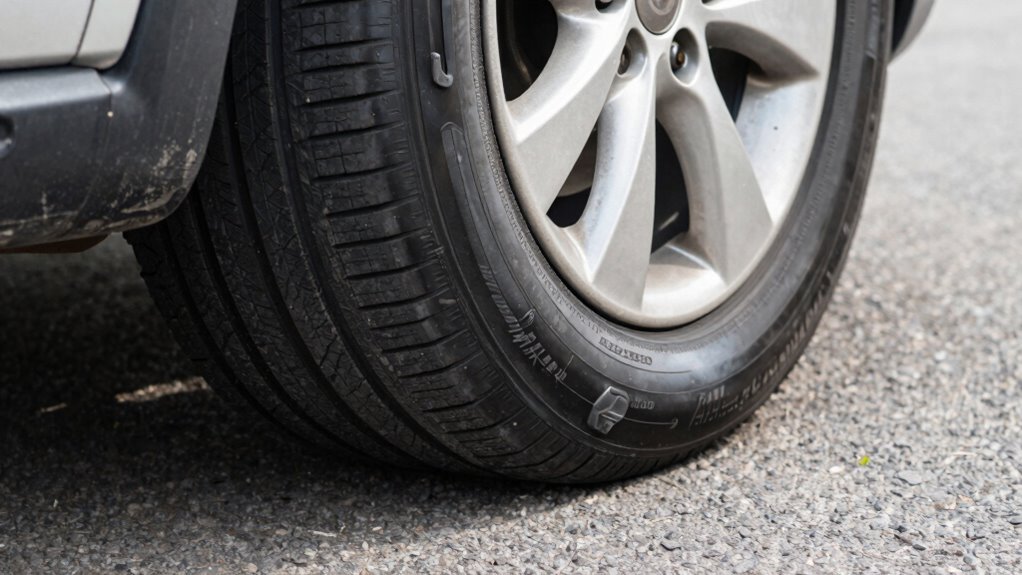

If you ignore proper tire pressure, your comfort and fuel efficiency suffer. Underinflated tires cause bumpy rides and make your vehicle less responsive, while overinflated ones ride harshly and resist road imperfections. Both mistakes lead to uneven tread wear and shorter tire life. Maintaining correct pressure improves handling, safety, and saves money. Staying on top of tire pressure helps you enjoy a smoother drive and better efficiency—keep going to discover how to get it right every time.

Get bike and ride gear delivered free with Prime
- Fast, free delivery on millions of items
- Prime Video, Amazon Music and more included
- Member-only deals all year
Key Takeaways
- Incorrect tire pressure causes bumpy rides and reduced responsiveness, compromising driving comfort.
- Overinflated or underinflated tires lead to uneven tread wear, decreasing tire lifespan and safety.
- Improper pressure increases rolling resistance, lowering fuel efficiency and raising operating costs.
- Poor tire maintenance can result in loss of control and higher risk of blowouts.
- Consistently wrong tire pressure diminishes overall vehicle performance and increases repair expenses.
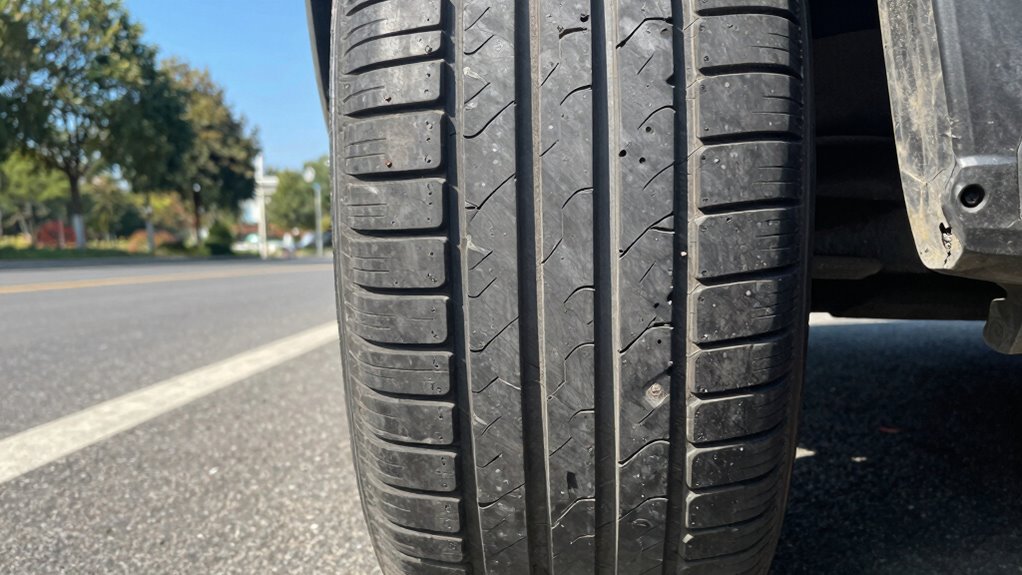
Have you ever overlooked the importance of maintaining proper tire pressure? Many drivers underestimate how critical it is to keep your tires inflated correctly, but doing so directly impacts your comfort and fuel efficiency. When tire pressure drops below the recommended level, your vehicle becomes less responsive, and your ride can feel bumpy or unstable. Conversely, overinflated tires can make your car feel harsh and less forgiving of road imperfections. The key to avoiding these issues starts with tire pressure monitoring—regularly checking your tire pressure guarantees you’re driving with ideal inflation. Using a reliable gauge, you can quickly determine if your tires need air, helping prevent the subtle but impactful problems caused by improper pressure.
Getting the inflation right involves understanding proper inflation techniques. First, consult your vehicle’s owner’s manual or the placard on your driver’s side door frame to find the recommended psi (pounds per square inch). When inflating your tires, use a good-quality air compressor that provides precise readings. It’s best to check your tire pressure when the tires are cold, as heat generated from driving can lead to inaccurate readings. If you notice your tires are underinflated, add air gradually, checking the pressure frequently to avoid overinflation. If you overinflate, release some air until you reach the proper level. Remember, adjusting your tire pressure regularly is a simple yet effective way to maintain your vehicle’s performance. Proper tire pressure management also supports overall vehicle safety, ensuring your tires perform optimally under different driving conditions. Additionally, understanding the importance of correct inflation techniques can help prevent common mistakes and prolong tire life. Regularly checking tire pressure is a vital habit that can prevent many issues before they become costly repairs. Maintaining the correct tire pressure not only improves performance but also reduces the risk of uneven tread wear, which is essential for safe driving. Properly maintaining tire pressure is essential for optimal vehicle handling, contributing to a safer driving experience.
Ignoring proper tire pressure isn’t just about comfort; it’s also about safety and efficiency. Underinflated tires can cause uneven tread wear, increasing your risk of a blowout or loss of control. They also force your engine to work harder, burning more fuel and reducing your miles per gallon. Overinflated tires, on the other hand, reduce traction and can lead to a harsher ride, making your handling less predictable. Both mistakes can shorten tire lifespan and lead to costly replacements. Regularly monitoring your tires and applying correct inflation techniques keeps your vehicle safer, more comfortable, and more economical to operate. It’s a small step that yields big benefits—so don’t overlook it. Proper tire pressure management ensures a smoother drive and helps protect you from unnecessary breakdowns or accidents, making it an essential part of responsible vehicle maintenance.
As an affiliate, we earn on qualifying purchases.
Frequently Asked Questions
How Often Should I Check My Tire Pressure?
You should check your tire pressure at least once a month and before long trips. Regular checks guarantee proper tire inflation, which maintains pressure consistency. When you verify your tire pressure, you prevent under- or over-inflation that can compromise comfort, fuel efficiency, and safety. Use a reliable gauge and follow your vehicle manufacturer’s recommended PSI. Staying on top of tire pressure helps your tires perform at their best and extends their lifespan.
Can Incorrect Tire Pressure Affect My Vehicle’s Handling?
Did you know that under-inflated tires can decrease handling performance by up to 15%? Incorrect tire pressure directly impacts your vehicle’s handling, making steering less precise and more unpredictable. It also causes uneven tire wear and reduces fuel efficiency, costing you more in the long run. Keeping your tires properly inflated guarantees ideal handling, extends tire life, and boosts fuel economy, making every drive safer and more economical.
What Tools Are Best for Measuring Tire Pressure?
The best tools for measuring tire pressure are tire pressure gauges, with digital and analog options available. Digital gauges offer quick, easy-to-read results and are highly accurate, making them ideal for precise checks. Analog gauges are reliable and often more durable, perfect for everyday use. Choose a gauge that feels comfortable to handle, and always make sure it’s calibrated correctly for the most accurate readings.
Does Tire Pressure Vary With Temperature Changes?
Yes, tire pressure varies with temperature changes, affecting your ride’s comfort and safety. When temperatures drop or rise, air inside your tires expands or contracts, causing pressure fluctuations. During seasonal shifts, you need to make adjustments, guaranteeing your tires stay properly inflated. Temperature fluctuations demand regular checks, especially in extreme weather, to maintain ideal pressure, prolong tire life, and ensure your vehicle’s efficiency and safety on the road.
Are There Specific Tire Pressure Recommendations for Different Seasons?
Yes, you should follow seasonal pressure adjustments based on tire pressure guidelines. In colder months, your tires need slightly higher pressure because air contracts in low temperatures. Conversely, in hot weather, reduce pressure slightly to prevent over-inflation. Always check your tire pressure regularly and adjust according to the manufacturer’s seasonal recommendations. Proper seasonal tire pressure helps maintain ideal comfort, safety, and fuel efficiency.
portable air compressor for tires
As an affiliate, we earn on qualifying purchases.
As an affiliate, we earn on qualifying purchases.
Conclusion
In the end, neglecting proper tire pressure isn’t just a small oversight—it’s the silent thief of your comfort and efficiency on the road. Think of your tires as the heartbeat of your vehicle; when they’re off, everything suffers. By maintaining the right pressure, you’re not just riding smooth, you’re ensuring safety and saving money. Don’t let tire mistakes be the ghost haunting your journey—give them the attention they deserve, and enjoy the ride of your life.
tire inflator with pressure gauge
As an affiliate, we earn on qualifying purchases.
As an affiliate, we earn on qualifying purchases.
vehicle tire pressure monitoring system
As an affiliate, we earn on qualifying purchases.
As an affiliate, we earn on qualifying purchases.
Fall Picks
fall essentials
As an affiliate, we earn on qualifying purchases.