

To stop the wiggle many riders dislike, focus on a smooth, quick shoulder check without shifting your entire body or disrupting your line. Turn your head just enough to see behind while keeping your eyes on the road. Practice at low speeds in safe areas to build confidence and muscle memory. Keep the motion controlled and minimal. Mastering this technique makes your shoulder check seamless and stable—stick with it, and you’ll be surprised how natural it becomes.
Key Takeaways
- Keep head movement minimal and quick to prevent sudden wobbling during shoulder checks.
- Practice slow, controlled turns in safe areas to build smooth, wobble-free shoulder check habits.
- Focus on turning only your head, not your entire upper body, to maintain stability.
- Incorporate shoulder checks into your routine gradually, allowing muscle memory to develop.
- Use mirrors effectively so shoulder checks become quick, natural, and less disruptive to riding balance.
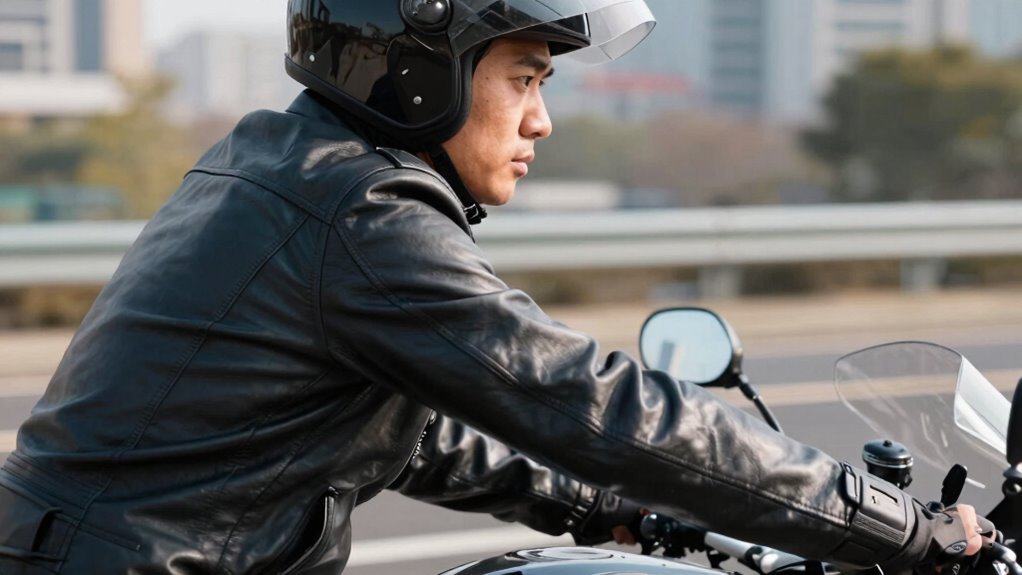
Many riders hesitate or feel awkward doing shoulder checks, often because they fear losing control or disrupting their balance. But with practice, it becomes a natural part of your riding routine. When you consistently perform shoulder checks, you develop a habit that keeps you alert and prepared. This habit not only enhances your safety but also makes you more self-assured on the road. Confidence isn’t just about feeling good; it’s about being prepared and aware, which can prevent panic or sudden reactions in critical moments. When you trust your ability to check your blind spots effectively, you ride with a calmer, more composed mindset.
It’s normal to feel some discomfort or wobbling when you first try to incorporate shoulder checks into your riding. The key is to keep your movements smooth and controlled. Start by practicing at low speeds in a safe environment, like an empty parking lot. Focus on turning your head just enough to see behind you without shifting your entire body or losing your balance. Over time, this will become second nature, and you’ll do it instinctively. Remember, the goal isn’t to take your eyes off the road for long but to quickly gather the necessary visual information. This swift action minimizes disruption to your riding line, preventing the “wiggle” or unwanted wobbling that many riders hate. Developing visual awareness through consistent shoulder checks is a vital aspect of riding safely. Incorporating riding habits that support your awareness helps to make these checks feel more natural and seamless. Additionally, understanding proper body positioning can further improve your control and confidence during these checks. Practicing these techniques regularly will also reinforce muscle memory, making the process feel more effortless over time. Remember, practicing these skills in a controlled environment builds the confidence necessary for safe riding in real traffic situations.
Incorporating shoulder checks into your riding routine will markedly improve your motorcycle safety and rider confidence. It’s a small habit with a big payoff, helping you avoid dangerous surprises and ride more securely. With practice, the technique will feel as natural as using your mirrors, becoming an integral part of your safety checks. The more confident you become in your ability to check your blind spots efficiently, the more you’ll enjoy riding confidently and responsibly, knowing you’re actively managing your safety every time you hit the road.

VAZESWIN Aluminum Alloy Rainproof Foldable Motorcycle Mirrors & M8 M10 Bolt
- Material: 6063 aluminum alloy for durability
- Surface Finish: Hard anodized for corrosion resistance
- Adjustment: 360° multi-angle rotation
As an affiliate, we earn on qualifying purchases.
As an affiliate, we earn on qualifying purchases.
Frequently Asked Questions
Is the Shoulder Check Technique Suitable for Beginner Riders?
Yes, the shoulder check technique is suitable for beginner riders, as it boosts rider confidence by helping you stay aware of your surroundings. While it may take some practice to master, focusing on technique consistency makes it easier to incorporate into your riding routine. Start slowly, and with time, you’ll find it becomes second nature, making your rides safer and more enjoyable without compromising your confidence.
How Does Weather Affect the Shoulder Check Process?
Did you know that rainy weather can increase your blind spot size by up to 20%? Weather definitely impacts your shoulder check process. Rain impacts visibility, making it harder to spot hazards, while wind influence can sway your bike, complicating your check. When conditions worsen, slow down, focus more on your mirrors, and use gentle shoulder checks to stay safe. Adjust your technique to weather, and you’ll ride more confidently.
Can the Shoulder Check Be Combined With Other Safety Methods?
Yes, you can combine the shoulder check with other safety methods, like improving blind spot awareness and mirror adjustment. Before merging or changing lanes, adjust your mirrors properly to minimize blind spots, then do a quick shoulder check for extra safety. This combined approach guarantees you see what’s around you from multiple angles, reducing risks and boosting your confidence on the road. Always practice this routine consistently for best results.
What Are Common Mistakes When Performing the Shoulder Check?
A stitch in time saves nine, so avoid common mistakes when performing a shoulder check. You might forget to turn your head fully, missing your blind spot. Keep your eyes on the road, not just your mirrors, and don’t rely solely on a quick head turn. Remember, a proper shoulder check involves a complete head turn, ensuring you see everything behind you clearly, reducing the risk of surprises.
How Often Should I Practice the Shoulder Check to Improve?
You should practice the shoulder check regularly, ideally daily, to improve your technique. Focus on mirror adjustment so you can glance at your mirrors without shifting your head too much, and keep your head in a natural position. Consistent practice helps build muscle memory, making your shoulder check smoother and more instinctive. Over time, you’ll develop better head positioning, which reduces wiggling and keeps you safer on the road.

Raider R25 3.5" x 2.25" Powersports Velcro Hand Mirror for Motorcycle/Snowmobile/ATV/UTV/PWC (Single)
- Adjustable Velcro strap: Easy to secure and adjust
- Vibration-free convex lens: Provides clear rear view
- Non-interfering design: Allows free hand movement
As an affiliate, we earn on qualifying purchases.
As an affiliate, we earn on qualifying purchases.
Conclusion
Mastering the shoulder check technique is like finding a steady lighthouse in choppy waters—it keeps you from veering off course and gives you confidence on the road. By incorporating this simple habit, you’ll cut down on unnecessary wiggles and ride more smoothly. Remember, a quick glance over your shoulder isn’t just a glance; it’s your secret weapon against uncertainty. Embrace it, and watch your riding become as steady as a ship in calm seas.

StarknightMT Kids Full Body Motorcycle Armor Suit EVA Youth Dirt Bike Gear with Chest Protector, Knee & Elbow Pads, Adjustable Impact Resistant Safety Vest for Motocross, Cycling, Skiing, Age 3-10
- All-Round 360° Protection: Includes chest, spine, shoulders, elbows, knees
- Impact-Resistant EVA Foam: Provides extra-thick 7mm padding for safety
- Breathable 3D Mesh Fabric: Ensures airflow and prevents overheating
As an affiliate, we earn on qualifying purchases.
As an affiliate, we earn on qualifying purchases.
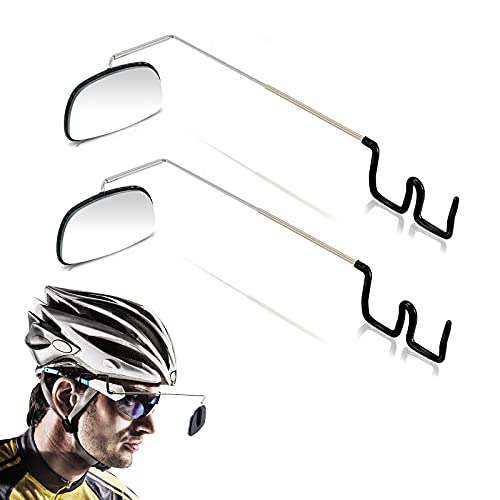
Accmor 2pcs Bike Eyeglass Mirror, 360 Degree Adjustable Bicycle Cycling Rear View Wide Angle Mirror, Riding Accessories
- 360-Degree Adjustable Mirror: Full rotation with 3 pivot points
- Wide Field of View: Unobstructed rear visibility
- Versatile Mounting Options: Fits glasses and helmet visors
As an affiliate, we earn on qualifying purchases.
As an affiliate, we earn on qualifying purchases.