
TL;DR

Get bike and ride gear delivered free — and shop member deals
- Fast, free delivery on millions of items
- Access to Prime Big Deal Days deals on October 6–7
- Prime Video, Amazon Music and more included
London Underground has initiated a facial recognition pilot program, scanning passengers’ faces as they enter stations. Authorities say it aims to improve security, but privacy advocates raise concerns. The program is currently in testing and details remain limited.
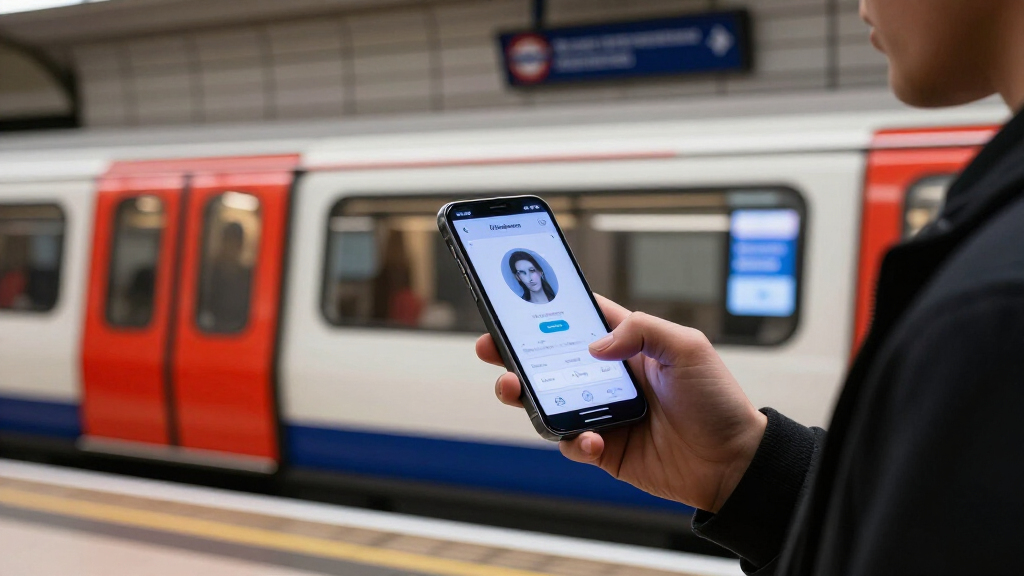
The London Underground has officially begun a pilot program to scan passengers’ faces using facial recognition technology at select stations, making it the first major transit system in the UK to do so. Authorities say the initiative aims to enhance security and streamline entry, but privacy groups have raised concerns about data collection and surveillance.
According to Transport for London (TfL), the face scanning system is currently in a trial phase at a limited number of stations, including King’s Cross and Liverpool Street. The technology captures facial images to verify passenger identities against security watchlists and facilitate contactless payments. TfL has stated that the system is designed to operate with strict data protection measures, and no biometric data is stored permanently. The pilot was announced in late October 2023 and is expected to run for several months, with plans to evaluate its effectiveness and public response. Privacy advocates, however, question the scope and transparency of the data collection, citing potential risks of misuse or unauthorized surveillance. The initiative has also drawn criticism from civil liberties organizations, which argue that such measures could infringe on individual privacy rights.Transport officials emphasize that the technology is intended solely for security purposes and that passenger consent is not required for the scanning process during the trial. The system uses anonymized data for real-time verification, according to TfL representatives. The trial is part of broader efforts to modernize and secure London’s transit network amid increasing security concerns globally.It remains unclear whether the face recognition system will be expanded beyond the current stations or made permanent, as discussions about privacy, legal compliance, and public acceptance continue.Impact of Facial Recognition on London Transit Security
This development marks a significant shift in security policy for London’s public transportation system. If successful, the face scanning technology could become a standard feature across the entire network, potentially improving security and reducing fare evasion. However, it also raises serious questions about privacy, data protection, and government surveillance. The implementation reflects a broader trend toward biometric security measures in public spaces, which many experts say could set a precedent for other cities. For passengers, the technology could mean faster, more streamlined entry processes, but at the cost of increased personal data collection. The controversy underscores the delicate balance between security and civil liberties in modern urban environments.
facial recognition security camera
As an affiliate, we earn on qualifying purchases.
As an affiliate, we earn on qualifying purchases.
London’s Transit Security Measures and Facial Recognition Trials
London has previously experimented with various security enhancements, including CCTV surveillance and bag searches, especially after recent terrorism threats. The current face scanning trial follows similar efforts in other countries, where biometric verification is used to improve safety and operational efficiency.
The UK government has expressed support for biometric security measures, citing national security concerns, but has also faced criticism over privacy rights. The London Underground’s pilot is part of a broader push by TfL to incorporate advanced technology into city infrastructure, aiming to modernize transit and respond to evolving security threats. Prior to this, TfL had tested contactless payment systems and mobile ticketing, making face recognition the latest step in digital transit upgrades.
While the technology has been used in other contexts, such as airports and border control, its deployment in a public transit environment like London Underground is relatively new and controversial. The pilot’s outcome could influence future policy decisions on biometric security in the UK and beyond.
“The facial recognition system is a secure, privacy-conscious tool designed to enhance safety and improve passenger experience during the trial phase.”
— Transport for London spokesperson
As an affiliate, we earn on qualifying purchases.
Unclear Aspects of the London Underground Face Scanning Program
It is not yet clear whether the face recognition system will be expanded beyond the initial stations or made permanent. Details about how data will be stored, used, or shared remain limited, raising ongoing privacy concerns. The legal framework governing biometric data collection in this context is also still evolving, and public acceptance of the technology has not been fully gauged. Additionally, TfL has not provided specific information on how passenger consent is managed during the trial.
As an affiliate, we earn on qualifying purchases.
Next Steps in Evaluating and Potentially Expanding Face Scanning
Transport for London plans to monitor the pilot’s effectiveness over the coming months, gathering data on security improvements and passenger feedback. A formal review will determine whether the system will be expanded to more stations or integrated into regular operations. Public consultations and privacy impact assessments are expected to accompany any decision to extend or make permanent the face recognition trials. Meanwhile, advocacy groups continue to call for greater transparency and safeguards before broader deployment.
As an affiliate, we earn on qualifying purchases.
Key Questions
Is passenger consent required for face scanning on the London Underground?
During the current trial, passengers are not explicitly asked for consent, as the system is implemented as a security measure at select stations. TfL states that the process is designed to be privacy-conscious, but the issue of consent remains a point of debate.
How will the data collected be used and stored?
TfL has stated that no biometric data is stored permanently, and the system uses anonymized data for real-time verification. However, details about data storage and sharing are limited, and privacy advocates remain concerned about potential misuse.
Could face recognition become a permanent feature on London Underground?
It is currently uncertain. The pilot is ongoing, and decisions about expansion or permanence will depend on the trial’s results, public response, and legal considerations.
What are the privacy concerns associated with this technology?
Critics argue that facial recognition without explicit consent or transparent oversight could lead to unwarranted surveillance, data misuse, and erosion of civil liberties.
Source: hn
Fall Picks
fall essentials
As an affiliate, we earn on qualifying purchases.