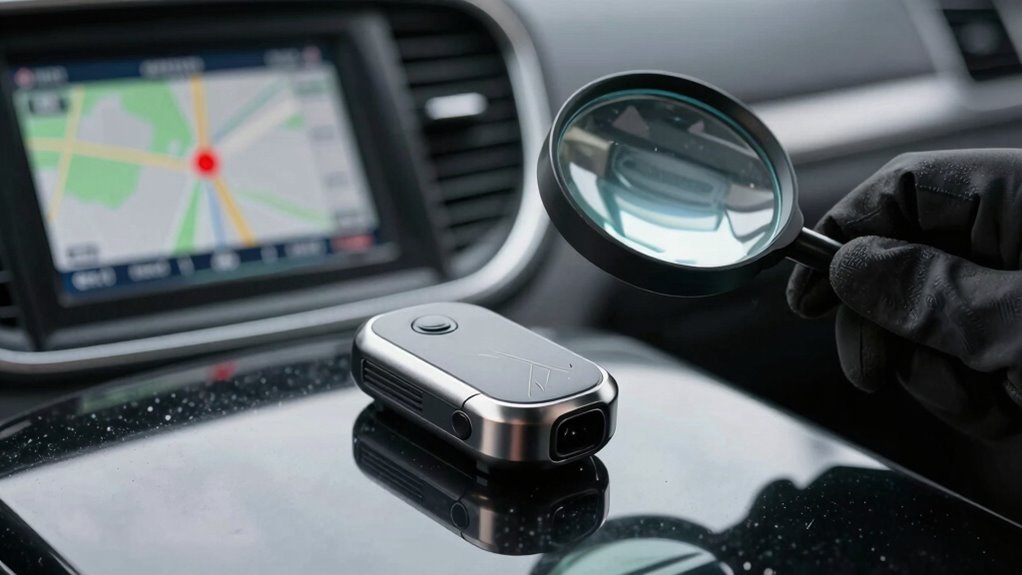

Trackers can help you find a stolen vehicle by providing location updates, but they have limits. Environmental factors like tunnels or tall buildings can affect GPS accuracy, and some devices rely on cellular networks that may be unavailable in remote areas. Real-time data isn’t always guaranteed, so recovery isn’t always quick or precise. To understand how to best use these tools and their constraints, keep exploring what you need to know.
Key Takeaways
- GPS trackers can locate stolen items, but accuracy may be affected by environmental factors like tunnels or buildings.
- Many trackers depend on cellular networks, limiting functionality in remote or signal-deprived areas.
- Real-time updates are not always guaranteed; tracking may have delays or gaps after theft.
- Ethical and legal considerations restrict tracking without consent and require compliance with privacy laws.
- Tracking should be part of a broader security strategy, not solely relied upon for recovery.
Have you ever wondered how organizations keep tabs on their progress and guarantee everyone stays on track? When it comes to tracking devices, especially after theft, understanding what these tools can and can’t do is essential. Tracking technology has become a powerful asset for businesses, but it’s not without its limitations and ethical boundaries. Recognizing device limitations is key to making informed decisions about how to use tracking systems responsibly and effectively. For instance, GPS trackers can pinpoint a stolen vehicle’s location, but their accuracy might be affected by environmental factors like tunnels or tall buildings. Similarly, some trackers rely on cellular networks, which might not be available in remote areas, limiting their effectiveness. These device limitations mean that, even after theft, you might not get real-time, precise updates every time. Knowing these constraints helps you set realistic expectations and avoid over-reliance on technology alone. Additionally, understanding the technology’s capabilities can help you choose the most suitable tracking solution for your needs.
Beyond the technical aspects, ethical considerations play a vital role in tracking after theft. When you deploy trackers, especially on personal or sensitive items, you must respect privacy rights and legal boundaries. Tracking someone without their consent can cross ethical lines and lead to legal repercussions. For example, in some regions, installing trackers on personal property without informing the owner may be illegal. Even with stolen property, you should verify that your tracking methods comply with local laws and regulations. It’s important to balance your desire to recover stolen items with respect for individual privacy. Ethical considerations also involve how you handle the collected data—storing it securely and using it solely for its intended purpose. Misusing tracking information or sharing it irresponsibly could harm innocent parties and damage your organization’s reputation.
After theft, tracking can be a valuable tool, but understanding its limits is essential. Devices have inherent technical constraints that might hinder real-time recovery efforts. At the same time, respecting ethical boundaries ensures you’re acting within legal frameworks and maintaining trust. Combining a clear awareness of device limitations with a commitment to ethical practices helps you navigate the complex landscape of theft recovery. It’s about using technology wisely and responsibly, knowing that while trackers can greatly aid in recovery, they aren’t infallible. They work best when part of a broader strategy that includes legal advice, security measures, and respectful handling of privacy issues. So, when faced with theft, remember that tracking is a powerful tool, but one that requires careful, ethical consideration to be truly effective and lawful.
Frequently Asked Questions
Can Trackers Prevent Theft Entirely?
Trackers can’t prevent theft entirely because of their limitations. While they help locate your vehicle quickly, false alarms and signal loss can occur, making recovery uncertain. You still need to use additional security measures like alarms and steering locks. Keep in mind, trackers are mainly tools for recovery, not prevention. They improve your chances post-theft but aren’t foolproof at stopping thieves beforehand.
What Legal Actions Can I Take if My Tracker Is Misused?
Think of your tracker as a trusted guard dog, but if it’s misused, it’s like that dog’s bites become a threat. You can pursue legal recourse by reporting misuse to authorities and consulting privacy implications laws. Document any unauthorized activity, and consider legal action for invasion of privacy or misuse. Your best move is to protect your rights and seek justice, ensuring the tracker’s power isn’t abused.
How Accurate Are Trackers in Locating Stolen Items?
GPS reliability varies, so trackers can be quite accurate but aren’t foolproof. Signal interference from buildings, tunnels, or dense foliage can disrupt the tracker’s ability to pinpoint your stolen item’s location. You might get close, but not always an exact fix. To improve accuracy, choose trackers with strong signals and good reviews. Remember, no device guarantees 100% precision, so stay alert and act quickly when tracking your belongings.
Do Trackers Work Internationally or Only Locally?
Trackers can work internationally if they have global tracking capabilities, allowing you to locate stolen items across borders. Many advanced trackers use GPS and cellular networks to enable international tracking, supporting global theft prevention efforts. However, some trackers are limited to local networks or regions. To guarantee your tracker works worldwide, confirm it has global coverage and compatible technology. This way, you maximize your chances of recovering stolen belongings anywhere.
Are There Privacy Concerns With Using Tracking Devices?
You might feel a coincidence when thinking about privacy invasion and data security, but tracking devices do raise real concerns. While they help locate stolen items, they can expose your personal info if not secured properly. Using trackers responsibly means understanding potential privacy risks and ensuring data security. You should always read privacy policies and choose reputable brands to avoid unintended privacy invasions and protect your sensitive information effectively.
Conclusion
While trackers can help locate your stolen vehicle, they’re not foolproof solutions. Thieves often find ways to disable or avoid them, so don’t rely solely on tracking technology. Remember, prevention is better than cure—an ounce of prevention is worth a pound of cure. Stay vigilant, lock your vehicle, and consider additional security measures. Ultimately, being proactive and cautious can make all the difference in protecting your belongings.