To use GPS trackers responsibly, recognize their real limits—like signal obstructions, accuracy fluctuations, and battery life issues. Avoid relying on them as foolproof solutions and understand they provide helpful but not perfect data. Stay transparent, guarantee legal use, and combine GPS info with other supervision methods. By acknowledging these facts, you prevent false expectations. If you want to learn more about responsible GPS use, there’s more to think about.
Key Takeaways
- Understand and communicate the device’s limitations to set realistic expectations.
- Use GPS data alongside other supervision methods for comprehensive monitoring.
- Ensure legal and ethical use by obtaining proper consent and maintaining transparency.
- Recognize that GPS accuracy can fluctuate and avoid relying solely on real-time data.
- Employ GPS trackers responsibly, respecting privacy rights and avoiding overdependence.

GPS trackers can be powerful tools, but it’s important to understand their limitations rather than relying on them as miracle solutions. While they offer valuable location data, they are not infallible, and overestimating their capabilities can lead to disappointment or even privacy issues. One of the key aspects to keep in mind is privacy concerns. Using GPS trackers involves collecting sensitive information about a person’s whereabouts, which raises questions about consent and data security. You should always ensure that tracking is legal, transparent, and ethical, respecting the privacy rights of others. Avoid using GPS trackers secretly or without proper authorization, as doing so can violate privacy laws and damage relationships. It’s crucial to communicate openly about why and how you’re using these devices, especially when tracking family members, employees, or loved ones.
Beyond privacy concerns, you also need to be aware of the technical limitations of GPS trackers. These devices depend on satellite signals, which can be obstructed by tall buildings, dense foliage, or underground locations. As a result, the accuracy of the data can fluctuate, sometimes by several meters, making real-time tracking less reliable in certain environments. Battery life is another limitation; many trackers require frequent recharging, and if neglected, they may stop functioning when you need them most. Additionally, some GPS trackers rely on cellular networks for data transmission, which can be problematic in remote areas with poor reception. This means your tracker might not update its location consistently, leading to gaps in the data and potentially false assumptions about someone’s whereabouts. It’s also important to understand the limitations of GPS technology, which can help set realistic expectations.
To use GPS trackers effectively, you must understand these limitations and set realistic expectations. Don’t assume that a tracker will always provide pinpoint accuracy or continuous updates. Instead, treat the data as a helpful tool rather than an absolute source of truth. Combine GPS tracking with other methods of supervision or communication to get a fuller picture. Remember, technology isn’t perfect, and relying solely on GPS can give you a false sense of security. Be cautious about privacy, stay within legal boundaries, and recognize the technical constraints. Only then can you use GPS trackers responsibly and effectively, avoiding the trap of treating them like magic solutions that solve all your problems.

Tracki Pro GPS Tracker for Vehicles, Subscription Required, Cancel Anytime – Track Cars & Assets for Months – Hidden GPS Tracker for Car with 4G LTE, Strong Magnet, Weatherproof Build & Smart Alerts
LONG-BATTERY VEHICLE TRACKING – Built for cars, trailers, fleets, equipment, boats, and motorcycles, Tracki’s trailer GPS tracker uses…
As an affiliate, we earn on qualifying purchases.
As an affiliate, we earn on qualifying purchases.
Frequently Asked Questions
What Are the Legal Considerations for Using GPS Trackers?
When using GPS trackers, you need to take privacy concerns and consent requirements into account. Always make sure you have the person’s permission before tracking their location, as unauthorized use can violate privacy laws. Be aware of local regulations governing surveillance and data collection. Respect individual rights and clearly communicate the purpose of tracking to avoid legal issues. Staying transparent and obtaining consent helps you use GPS trackers responsibly and legally.
How Accurate Are GPS Trackers in Dense Urban Areas?
In dense urban areas, GPS trackers can be as reliable as a weather vane in a storm—often affected by building interference and urban signal loss. You might find your tracker’s accuracy drops to 10-20 meters due to urban signal challenges. Tall buildings and underground tunnels block signals, making precise tracking difficult. So, don’t rely solely on GPS in these areas; consider combining it with other location methods for better accuracy.
Can GPS Trackers Work Without Cellular Service?
Yes, some GPS trackers can work without cellular service, especially tracking device types that use satellite technology like GPS-only devices. These trackers rely on satellite signals, so signal interference can affect their accuracy but don’t prevent operation completely. Keep in mind, without cellular, they won’t transmit real-time data, but they can store location info until there’s a connection, making them useful in remote areas or places with poor cellular coverage.
What Is the Battery Life of Most GPS Trackers?
You might worry about frequent charging, but most GPS trackers offer impressive battery life, often lasting days or weeks. To maximize this, focus on battery maintenance and enable power-saving features. Regularly check your device’s battery status and turn off unnecessary functions. By practicing good battery management and utilizing power-saving modes, you guarantee your GPS tracker stays active longer, providing reliable tracking without constant recharging hassles.
How Do I Prevent GPS Tracker Theft or Tampering?
To prevent GPS tracker theft or tampering, you should focus on tracker concealment and choose tamper-proof designs. Hide the tracker in discreet places where thieves won’t easily spot or access it. Opt for tamper-proof casings that automatically disable the device if tampering occurs. Regularly check the tracker’s location and functionality, and consider adding alerts for suspicious activity to stay ahead of potential theft or interference.
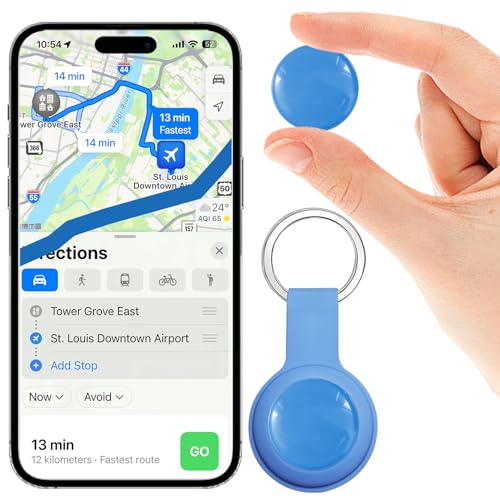
GPS Tracker for Vehicles,Cars,Kids & Pets,Real-Time Location Updates,No SIM Card No Subscription,Long Standby Waterproof GPS Tracking Device for Dogs, Elderly & Valuables (Android & iOS)
1️⃣ Faster Update Frequency: Unlike most standard GPS Tracker on the market (designed solely for iOS or Android),…
As an affiliate, we earn on qualifying purchases.
As an affiliate, we earn on qualifying purchases.
Conclusion
Remember, GPS trackers are powerful tools, but they’re not magic. They can give you valuable insights, yet they rely on accurate placement and proper understanding to work effectively. Don’t expect them to solve every problem instantly—think of them as part of a bigger solution. So, next time you set one up, ask yourself: are you using it with realistic expectations, or are you hoping it’ll do all the work for you?
GPS tracker for pets with waterproof design
As an affiliate, we earn on qualifying purchases.
As an affiliate, we earn on qualifying purchases.
personal GPS tracking device legal use
As an affiliate, we earn on qualifying purchases.
As an affiliate, we earn on qualifying purchases.