When searching for a gps bike computer with turn by turn directions, you need a device that combines accurate navigation with user-friendly features. The Garmin Edge 540 stands out as the overall best for its reliable routing and detailed metrics, while the iGPSPORT BSC300T offers a touchscreen with offline maps at a more affordable price. However, choosing the right model involves balancing factors like screen size, connectivity, and ease of routing updates. Many options are packed with features, but not all are equally intuitive or durable for serious riding. Continue reading to see how these models compare and which one fits your riding style best.

Get bike and ride gear delivered free — and shop member deals
- Fast, free delivery on millions of items
- Access to Prime Big Deal Days deals on October 6–7
- Prime Video, Amazon Music and more included
Key Takeaways
- Top-ranked models like the Garmin Edge 540 excel in routing accuracy and durability, making them ideal for serious cyclists.
- Touchscreen interfaces are common but vary in responsiveness; models like the GEOID CC700 Pro offer larger, clearer displays.
- Offline map features are a key differentiator, with some options offering detailed navigation even without a phone connection.
- Waterproof ratings and battery life significantly impact usability during long or adverse-weather rides.
- Price varies widely; the most feature-rich devices tend to be premium-priced, but budget options still provide essential turn-by-turn navigation.
| Garmin Edge 540 Compact GPS Cycling Computer | 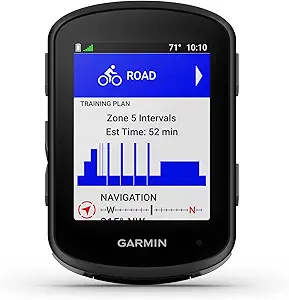 | Best Overall for Advanced Navigation and Performance Tracking | Battery Life: up to 26 hours in demanding use, up to 42 hours in battery saver mode | Navigation: Multi-band GNSS technology | Display: Button controls suitable for any conditions | VIEW ON AMAZON | See Our Full Breakdown |
| iGPSPORT BSC300T Wireless Bike Computer GPS with Touchscreen and Offline Map Navigation |  | Best for Versatile Navigation with Touchscreen Ease | Screen Size: 2.4 inches | Navigation: Offline map download, route preview, turn prompts | Satellite Support: GPS, Beidou, GLONASS, Galileo, QZSS | VIEW ON AMAZON | See Our Full Breakdown |
| iGPSPORT BSC200S GPS Bike Computer, Wireless Route Navigation, 2.4” Screen, Bluetooth, ANT+, IPX7 Waterproof |  | Best for Long Battery Life and Basic Navigation | Display: 2.4-inch semi-transparent color screen | Battery Life: Up to 25 hours | Waterproof: IPX7 | VIEW ON AMAZON | See Our Full Breakdown |
| GEOID CC700 Pro 2.8″ Color Touchscreen GPS Bike Cycling Computer with Navigation and Re-Route Planning |  | Best for Color Display and Advanced Re-Route Planning | Display: 2.8-inch color touchscreen | Navigation: Offline maps with turn prompts and street names | Re-Route: Instant recalculation when off-route | VIEW ON AMAZON | See Our Full Breakdown |
| Garmin Edge Explore 2 GPS Cycling Navigator |  | Best for User-Friendly Navigation and Ride Planning | Display: 3-inch high-resolution touchscreen | Connectivity: Smartphone pairing, LiveTrack, GroupTrack | Compatibility: Sensors (heart rate, speed, cadence), Varia devices | VIEW ON AMAZON | See Our Full Breakdown |
| COOSPO CS600 Color Touchscreen GPS Bike Computer |  | Best Overall for Professional-Grade Navigation and Customization | Display: 2.4-inch high-resolution color touchscreen | Waterproof: IPX7 | Battery Life: 36 hours | VIEW ON AMAZON | See Our Full Breakdown |
| Fuyu Bike Computer GPS Wireless 1.43″ AMOLED Touchscreen with Google Maps Navigation, Call & Text Alerts, IP69K Waterproof, Dual Mounts for Bicycle Motorcycle E-Bike |  | Best for Bright Displays and Smart Notifications in All Weather | Display: 1.43-inch AMOLED touchscreen | Brightness: 850 nits | Waterproof: IP69K | VIEW ON AMAZON | See Our Full Breakdown |
| iGPSPORT BSC500 GPS Bike Computer with 3.3” Touch Screen and Voice Navigation |  | Best for Large Display and Advanced Voice Navigation | Screen Size: 3.3 inches | Operation: Touchscreen and buttons | Satellite Support: GPS, Beidou, GLONASS, Galileo, QZSS | VIEW ON AMAZON | See Our Full Breakdown |
| gps bike computer with turn by turn direction | Connectivity | Display | Navigation |
|---|---|---|---|
| Garmin Edge 540 Compact GPS Cy | Smart connectivity with compatible devices | Button controls suitable for any conditions | Multi-band GNSS technology |
| iGPSPORT BSC300T Wireless Bike | ANT+/Bluetooth 5.0 | — | Offline map download, route preview, turn prompts |
| iGPSPORT BSC200S GPS Bike Comp | Bluetooth, ANT+ | 2.4-inch semi-transparent color screen | — |
| GEOID CC700 Pro 2.8" Color Tou | WiFi, Bluetooth, ANT+ | 2.8-inch color touchscreen | Offline maps with turn prompts and street names |
| Garmin Edge Explore 2 GPS Cycl | Smartphone pairing, LiveTrack, GroupTrack | 3-inch high-resolution touchscreen | — |
| COOSPO CS600 Color Touchscreen | Bluetooth, ANT+ | 2.4-inch high-resolution color touchscreen | Built-in route navigation with breadcrumb trail |
| Fuyu Bike Computer GPS Wireles | Bluetooth 5.2 | 1.43-inch AMOLED touchscreen | — |
| iGPSPORT BSC500 GPS Bike Compu | Supports route import from third-party apps | — | — |
More Details on Our Top Picks
Garmin Edge 540 Compact GPS Cycling Computer
The Garmin Edge 540 stands out for its multi-band GNSS technology, delivering precise positioning even in challenging environments—a clear advantage over the simpler GPS systems like the Garmin Edge Explore 2. Its long battery life of up to 26 hours supports extended rides, making it ideal for serious cyclists. The device’s suite of personalized coaching features and detailed ride metrics provide a comprehensive training experience. However, its rich feature set can be overwhelming for newcomers, and the high price might deter casual users. Compared to the iGPSPORT BSC300T, the Edge 540 offers more advanced navigation but requires a steeper learning curve and additional sensors for full functionality.
Pros:- Accurate multi-band GNSS positioning for challenging environments
- Extended battery life suitable for long rides
- Comprehensive training and performance metrics
- User-friendly button controls for all conditions
Cons:- Complex features may require time to master
- Premium price may be prohibitive for casual users
Best for: Advanced cyclists seeking detailed performance insights and reliable navigation on long rides
Not ideal for: Casual riders or beginners who prefer simpler, more affordable devices without a steep learning curve
- Battery Life:up to 26 hours in demanding use, up to 42 hours in battery saver mode
- Navigation:Multi-band GNSS technology
- Display:Button controls suitable for any conditions
- Mapping:Ride-specific maps with points of interest
- Connectivity:Smart connectivity with compatible devices
- Training Features:Suggested workouts, training prompts, power targets, stamina insights, ClimbPro ascent planner
Our verdict“This device is best for experienced cyclists who prioritize precision, battery life, and advanced training features.”
iGPSPORT BSC300T Wireless Bike Computer GPS with Touchscreen and Offline Map Navigation
The iGPSPORT BSC300T offers a large 2.4-inch touchscreen, making route management intuitive, especially compared to smaller screens like the Garmin Edge Explore 2. Its support for offline maps and global satellite systems ensures accurate navigation across various terrains. The device’s ability to handle over 130 data metrics and connect with multiple sensors makes it a versatile choice for riders who want detailed insights. However, setup can be complicated for first-time users, and the device’s battery life is not explicitly provided, which may be a concern for long-distance riders. Compared with the simpler iGPSPORT BSC200S, the BSC300T provides richer navigation features but at a potentially higher cost and complexity.
Pros:- Large, easy-to-use touchscreen interface
- Supports offline maps and global satellite systems
- Rich data metrics for detailed analysis
- Compatible with various sensors and sharing platforms
Cons:- Initial setup can be complex for new users
- Battery life details are not specified, raising questions for long rides
Best for: Cyclists who want a touchscreen GPS with comprehensive navigation and data tracking for varied terrains
Not ideal for: Beginners or casual riders who prefer plug-and-play devices with minimal setup
- Screen Size:2.4 inches
- Navigation:Offline map download, route preview, turn prompts
- Satellite Support:GPS, Beidou, GLONASS, Galileo, QZSS
- Connectivity:ANT+/Bluetooth 5.0
- Supported Bikes:Road, Mountain, E-bike
- Data Metrics:Speed, distance, grade, cadence, calories, time, temperature
Our verdict“Ideal for tech-savvy riders who desire detailed navigation and extensive data collection on a user-friendly touchscreen.”
iGPSPORT BSC200S GPS Bike Computer, Wireless Route Navigation, 2.4” Screen, Bluetooth, ANT+, IPX7 Waterproof
The iGPSPORT BSC200S provides a reliable 25-hour battery life, making it suitable for multi-hour rides, especially compared to the BSC300T’s unspecified battery duration. Its clear 2.4-inch display enhances visibility under sunlight, and support for route import from third-party apps like Strava and Komoot adds flexibility. While it offers wireless route navigation, it lacks dedicated map features or turn-by-turn prompts, which makes it less suitable for complex navigation needs. It’s more dependent on smartphone apps for full functionality, which can be limiting for riders who want standalone devices. Compared with the BSC300T, the BSC200S offers longer battery life but less navigation sophistication.
Pros:- Long-lasting 25-hour battery life
- Supports route import and customization from multiple apps
- Clear display visible in sunlight
- Waterproof and connects with safety accessories
Cons:- No built-in map or turn-by-turn navigation
- Full functionality depends on smartphone app
Best for: Riders prioritizing long battery life and straightforward route tracking without needing detailed maps
Not ideal for: Those requiring turn-by-turn navigation or detailed offline maps for complex routes
- Display:2.4-inch semi-transparent color screen
- Battery Life:Up to 25 hours
- Waterproof:IPX7
- Connectivity:Bluetooth, ANT+
- Supported Apps:Strava, Ride with GPS, Komoot
- Data Storage:Up to 400 hours
Our verdict“Best for riders seeking extended battery life and simple route tracking, but not detailed navigation.”
GEOID CC700 Pro 2.8″ Color Touchscreen GPS Bike Cycling Computer with Navigation and Re-Route Planning
The GEOID CC700 Pro’s vivid 2.8-inch color touchscreen makes navigation straightforward, especially for riders who prefer visual cues over small displays like the Garmin Edge 540. Its re-route planning feature ensures smooth rerouting without backtracking, a significant advantage over devices without this capability, like the Edge Explore 2. This model supports multiple satellite systems, enhancing positioning speed and accuracy. Its WiFi auto-sync simplifies data transfer, though its battery life details are not specified, which could be a concern for long rides. Limited integration with DJI cameras narrows its use for action camera enthusiasts. Compared to the more performance-focused Garmin Edge 540, it emphasizes visual navigation and convenience.
Pros:- Bright, colorful touchscreen for easy navigation
- Supports multiple satellite systems for quick positioning
- Re-route planning to keep riders moving without backtracking
- WiFi auto-sync for seamless data transfer
Cons:- Limited to specific DJI camera integrations
- Battery life info is missing, raising questions for long rides
Best for: Cyclists who want a colorful display with easy re-routing and seamless data transfers
Not ideal for: Riders needing detailed performance metrics or extensive training features
- Display:2.8-inch color touchscreen
- Navigation:Offline maps with turn prompts and street names
- Re-Route:Instant recalculation when off-route
- Satellite Support:GPS, BEIDOU, GLONASS, QZSS, GALILEO
- Connectivity:WiFi, Bluetooth, ANT+
- Storage:4GB
Our verdict“Ideal for cyclists who prioritize visual navigation with quick rerouting and simple data management.”
Garmin Edge Explore 2 GPS Cycling Navigator
The Garmin Edge Explore 2 offers a 3-inch high-resolution touchscreen, making it accessible for users who prefer larger, easier-to-read displays over the smaller screens of products like the iGPSPORT BSC200S. Its preloaded maps and ride profiles allow immediate use without extensive setup, and features like smart connectivity and safety alerts enhance outdoor safety and tracking. While it does require additional sensors for certain metrics, its intuitive interface makes it suitable for casual riders or those new to GPS cycling computers. Compared to the Garmin Edge 540, the Explore 2 is less feature-rich but easier to operate for everyday cycling and indoor use alike.
Pros:- Large, high-resolution touchscreen suitable for various weather conditions
- Preloaded maps and ride profiles ready to use
- Smart connectivity features for safety and tracking
- Glove- and rain-friendly touchscreen
Cons:- Requires additional sensors for monitoring certain metrics
- Some features depend on pairing with other devices
Best for: Casual cyclists or newcomers seeking an easy-to-use GPS with reliable navigation and safety features
Not ideal for: Advanced users requiring detailed training metrics or extensive customization
- Display:3-inch high-resolution touchscreen
- Connectivity:Smartphone pairing, LiveTrack, GroupTrack
- Compatibility:Sensors (heart rate, speed, cadence), Varia devices
- Indoor features:Music control, pairing with smartphone
- Additional features:Preloaded maps, ride profiles, incident detection
Our verdict“Perfect for beginners or casual riders looking for straightforward navigation and ride management.”
COOSPO CS600 Color Touchscreen GPS Bike Computer
The COOSPO CS600 stands out for its high-resolution 2.4-inch color touchscreen, which offers clear visibility and intuitive navigation, making it comparable to more premium devices like the Garmin Edge 540. Its long 36-hour battery life supports multi-day rides without worry, and seamless wireless sync with fitness apps ensures easy data management. However, it lacks built-in sensors for heart rate or cadence, requiring additional purchases, which might be a drawback for those seeking an all-in-one solution. This model is ideal for serious cyclists who prioritize detailed tracking and route customization but are comfortable handling some setup complexity.
Pros:- High-resolution color touchscreen with auto-backlight
- Accurate GPS and GLONASS tracking with breadcrumb route navigation
- Long battery life suitable for multi-day rides
- Seamless wireless sync with popular fitness apps
Cons:- Does not include sensors for heart rate, cadence, or power tracking
- Requires separate purchase for compatible sensors
- Setup can be complex for less tech-savvy users
Best for: Cyclists needing detailed route management and customizable data displays for extended rides
Not ideal for: Casual riders who prefer plug-and-play simplicity or all-in-one sensors without extra purchases
- Display:2.4-inch high-resolution color touchscreen
- Waterproof:IPX7
- Battery Life:36 hours
- Charging:2-hour Type-C
- Connectivity:Bluetooth, ANT+
- Navigation:Built-in route navigation with breadcrumb trail
- Compatibility:Pair with smart bike lights, radar tail lights, e-bikes, electronic shifters, indoor trainers
Our verdict“This pick is best for experienced cyclists who need detailed navigation, customizable displays, and long battery life, willing to handle some setup effort.”
Fuyu Bike Computer GPS Wireless 1.43″ AMOLED Touchscreen with Google Maps Navigation, Call & Text Alerts, IP69K Waterproof, Dual Mounts for Bicycle Motorcycle E-Bike
The Fuyu Bike Computer features a vivid 1.43-inch AMOLED touchscreen that remains readable even in direct sunlight, surpassing the brightness of typical LCD screens like those on the COOSPO CS600. Its waterproof IP69K rating makes it suitable for all weather conditions, and it offers GPS navigation alongside smart call and text alerts, making it highly versatile. The main tradeoff is its limited 10-hour battery life, which is shorter than the COOSPO’s, and it requires a phone connection for navigation, lacking offline maps. This device is perfect for riders who prioritize a bright, easily visible screen and smart features in all weather, but don’t want complex setup or long rides without recharging.
Pros:- Bright AMOLED display readable under direct sunlight
- Waterproof design suitable for all weather conditions
- Supports ride metrics and GPS navigation
- Smart notifications like call and text alerts
Cons:- Battery life limited to about 10 hours of continuous use
- Requires phone connection for navigation, no offline maps
- Features may depend on app support and Bluetooth pairing
Best for: Commuters or recreational riders who need visibility and smart notifications in all weather conditions
Not ideal for: Long-distance riders or those seeking standalone GPS navigation without phone dependency
- Display:1.43-inch AMOLED touchscreen
- Brightness:850 nits
- Waterproof:IP69K
- Battery:600mAh, up to 10 hours
- Connectivity:Bluetooth 5.2
- Mounting:Dual handlebar mounts
- Compatibility:Bicycles, MTB, e-bikes, motorcycles
Our verdict“This device suits riders who want a bright, weatherproof display with smart notifications but can recharge daily or connect to their phone for navigation.”
iGPSPORT BSC500 GPS Bike Computer with 3.3” Touch Screen and Voice Navigation
The iGPSPORT BSC500 offers a sizable 3.3-inch touchscreen, making it easier to view cycling data at a glance compared to smaller screens like the Fuyu or COOSPO models. Its support for multiple satellite systems—GPS, Beidou, GLONASS, Galileo, QZSS—ensures accurate navigation worldwide, and features like route planning, turn reminders, and voice alerts enhance safety and convenience. While its complex features provide much flexibility, they may be overwhelming for beginners or casual riders, especially since there’s no explicit mention of weather resistance. This device is tailored for serious cyclists or trail riders who want detailed route planning and easy-to-read navigation but are comfortable with a learning curve.
Pros:- Large 3.3-inch touchscreen with sharp display
- Supports multiple satellite systems for worldwide accuracy
- Route planning and import from third-party apps like Strava and Komoot
- Voice alerts for safe, hands-free navigation
Cons:- Features may require a learning curve for new users
- No explicit waterproof or weather resistance info
- Additional mounts or accessories might be necessary
Best for: Experienced cyclists or trail riders who need large, clear displays and comprehensive navigation features
Not ideal for: Casual or beginner riders seeking a straightforward, easy-to-use GPS device with minimal setup
- Screen Size:3.3 inches
- Operation:Touchscreen and buttons
- Satellite Support:GPS, Beidou, GLONASS, Galileo, QZSS
- Navigation Features:Route planning, turn reminders, yaw planning
- Connectivity:Supports route import from third-party apps
- Additional Features:Voice navigation, training analysis
Our verdict“This device makes the most sense for experienced, tech-savvy cyclists seeking detailed navigation and large visuals, accepting some complexity in operation.”

How We Picked
Products were selected based on their ability to deliver accurate, reliable turn-by-turn directions in a cycling context. We prioritized devices with clear and responsive screens, strong GPS signal stability, and intuitive user interfaces. Durability and waterproof ratings were essential for outdoor use, while battery life was evaluated for longer rides. Compatibility with popular navigation apps and offline map support also influenced rankings. Overall, the models were rated on their performance, usability, build quality, and value, ensuring that each option offers distinct advantages for different riding needs.| gps bike computer with turn by turn direction | Navigation |
|---|---|
| Garmin Edge 540 Compact GPS Cy | Multi-band GNSS technology |
| iGPSPORT BSC300T Wireless Bike | Offline map download, route preview, turn prompts |
| iGPSPORT BSC200S GPS Bike Comp | — |
| GEOID CC700 Pro 2.8" Color Tou | Offline maps with turn prompts and street names |
| Garmin Edge Explore 2 GPS Cycl | — |
| COOSPO CS600 Color Touchscreen | Built-in route navigation with breadcrumb trail |
| Fuyu Bike Computer GPS Wireles | — |
| iGPSPORT BSC500 GPS Bike Compu | — |
Factors to Consider When Choosing Gps Bike Computer With Turn By Turn Directions
Choosing the right GPS bike computer with turn-by-turn directions depends on several key factors. It’s not just about having maps; you want a device that fits your riding style, environment, and technical comfort level. In this guide, I’ll cover the most important considerations to help you avoid common pitfalls and make an informed purchase that truly enhances your cycling experience.Display Size and Readability
Clear, easily readable screens are vital, especially in bright sunlight or fast-paced riding conditions. Larger screens, like those on the GEOID CC700 Pro, provide more information at a glance, but may add weight or bulk. Touchscreens offer convenience, but some riders prefer physical buttons for quick access without looking down. Consider your riding environment and personal preference when selecting a display size and interface type.
Navigation Features and Offline Maps
Not all GPS devices support offline maps, which can be essential for remote rides without cell service. Devices like the iGPSPORT BSC300T excel here, offering detailed offline navigation, while others rely heavily on phone connectivity. Check whether the device updates maps easily and if it offers rerouting options to avoid unexpected detours. Offline capability often correlates with higher price, but it’s worth the investment if you ride in areas with poor signal.
Battery Life and Durability
Long rides demand a device with extended battery life; some models last over 15 hours, which is ideal for multi-day trips. Waterproof ratings, such as IPX7 or IP69K, protect your device from rain, mud, and sweat, extending its lifespan. Keep in mind that brighter, larger screens tend to drain batteries faster, so balance screen size with your expected ride duration. Durability also involves shock resistance, especially if you ride aggressively or on rough terrain.
Connectivity and Compatibility
Compatibility with other devices—like smartphones, heart rate monitors, or power meters—adds functionality, making your data more comprehensive. Bluetooth and ANT+ support are common, but ensure your chosen device integrates smoothly with your existing gear. Some models allow real-time sharing of routes or progress, which can be useful for group rides or safety tracking. Keep in mind that more connectivity options often mean increased complexity and potential for software glitches.
Ease of Use and Setup
An intuitive interface reduces the learning curve and prevents frustration during rides. Touchscreen responsiveness, menu organization, and quick access buttons matter here. Some devices, like the Garmin Edge series, offer detailed setup options that might intimidate beginners, while others prioritize simplicity. Consider your comfort with technology and whether you prefer a device that’s ready to go right out of the box or one that offers extensive customization.
Frequently Asked Questions
Can I use a GPS bike computer with turn-by-turn directions without a smartphone?
Yes, many GPS bike computers support offline maps and routing, allowing you to navigate without a phone. Devices like the iGPSPORT BSC300T and GEOID CC700 Pro are designed for standalone use and provide detailed directions directly on the device. This is especially useful for remote rides or areas with poor cell coverage. However, some models still rely on initial map downloads or updates via a smartphone app, so check the product specifications if independence from your phone is a priority.
How accurate are the turn-by-turn directions on these devices?
The accuracy of turn-by-turn directions depends on the GPS receiver quality and map data. Higher-end models, such as the Garmin Edge 540, tend to have more precise routing thanks to advanced GPS chips and frequent map updates. Offline maps can sometimes be less accurate if not kept current, so periodic updates are recommended. Additionally, the device’s routing algorithms influence how well it guides you through complex intersections or detours. For most riders, modern devices provide reliable navigation for everyday use.
Are touchscreen GPS bike computers durable enough for regular outdoor use?
Most touchscreen GPS bike computers are designed with outdoor durability in mind, featuring waterproof ratings like IPX7 or IP69K. These ratings protect against rain, mud, and sweat, making them suitable for all-weather riding. However, screens can be vulnerable to scratches or impacts, so choosing models with reinforced glass or protective covers is wise. For serious mountain biking or rough terrain, some riders prefer devices with physical buttons for added resilience, though touchscreens continue to improve in durability.
Is it worth paying extra for offline map capabilities?
Investing in offline map support is worthwhile if you frequently ride in unfamiliar or remote areas where cell service is unreliable. Offline maps ensure you always have navigation access, reducing the risk of getting lost. They also allow for rerouting in real-time without relying on a phone connection. While these features typically come at a higher price, for dedicated cyclists, especially those on long-distance rides or adventure trips, the convenience and safety benefits justify the additional cost.
How important is battery life for a GPS bike computer?
Battery life is a key factor because it directly impacts how long you can ride without recharging. Devices with longer battery life—over 15 hours—are better suited for multi-day adventures or long-distance routes. Shorter battery life can limit your ride duration or require carrying a power bank or charger. For most recreational riders, a battery life of 8-12 hours is sufficient, but for serious touring or mountain biking, prioritizing extended battery performance is essential to avoid interruptions.
Conclusion
For the casual rider or newcomer, the Garmin Edge Explore 2 offers an intuitive experience with reliable navigation at a reasonable price. Serious cyclists or those who venture into remote areas will find the Garmin Edge 540 the best overall choice thanks to its advanced routing and durability. Budget-conscious riders should consider models like the iGPSPORT BSC200S, which combines essential features with affordability. For riders seeking a premium, feature-rich device, the Fuyu GPS Wireless offers a large, bright display and comprehensive offline maps. Ultimately, your choice depends on your riding style, environment, and how much you prioritize ease of use versus advanced features.
As an affiliate, we earn on qualifying purchases.Fall Picks
fall essentials