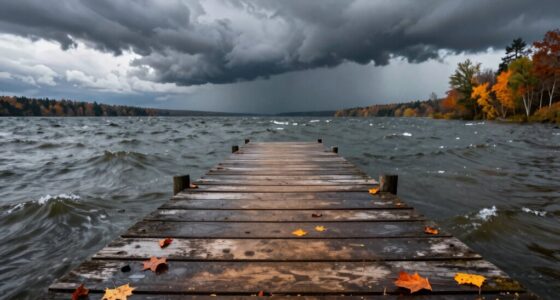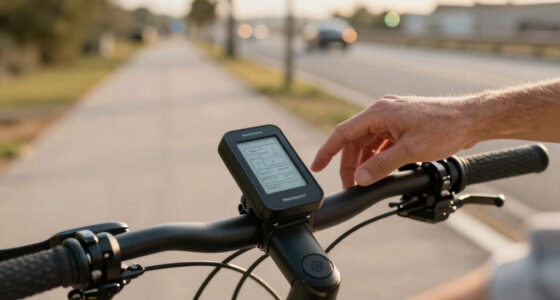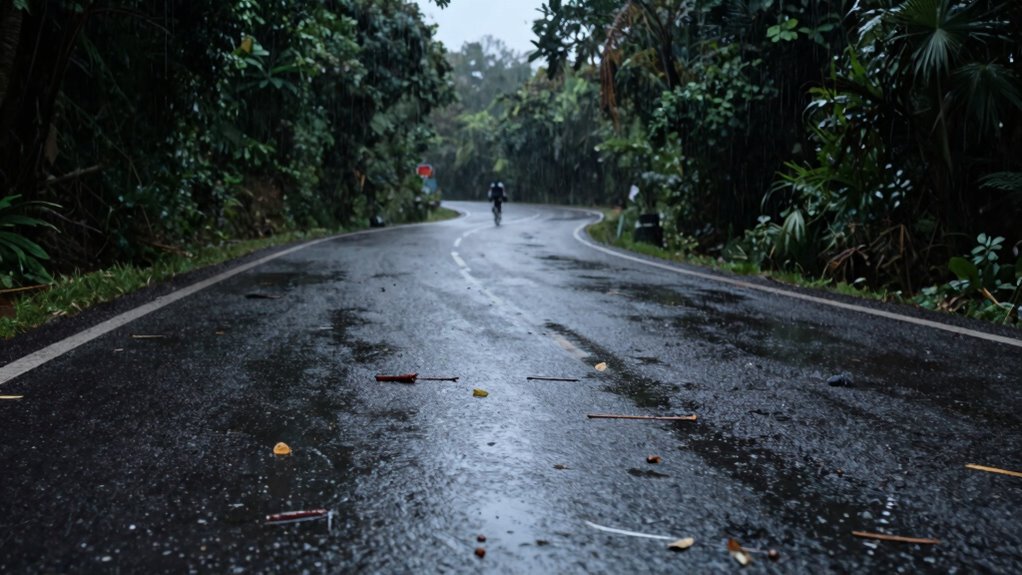

After a storm, you might not see all the hazards waiting for you. Flooded intersections can hide deep water, sewer grates, or potholes, causing you to lose control. Fallen debris, like branches or trash, can block your path or damage your tires. Slippery surfaces and loose gravel are often invisible until you’re close, making traction tricky. Storm damage and water accumulation create unpredictable dangers that demand extra caution—stay alert because more hazards await just beyond what you expect.

Get bike and ride gear delivered free — and shop member deals
- Fast, free delivery on millions of items
- Access to Prime Big Deal Days deals on October 6–7
- Prime Video, Amazon Music and more included
Key Takeaways
- Flooded intersections may hide sewer grates or potholes, increasing the risk of loss of control unexpectedly.
- Debris like branches and trash can obstruct roads, causing tire damage or loss of traction.
- Post-storm surfaces can be slick, uneven, or gravelly, reducing grip and stability suddenly.
- Storm damage may be subtle, requiring heightened vigilance for hidden hazards.
- Reduced visibility and unpredictable driver behavior at flooded or debris-filled areas demand cautious riding.
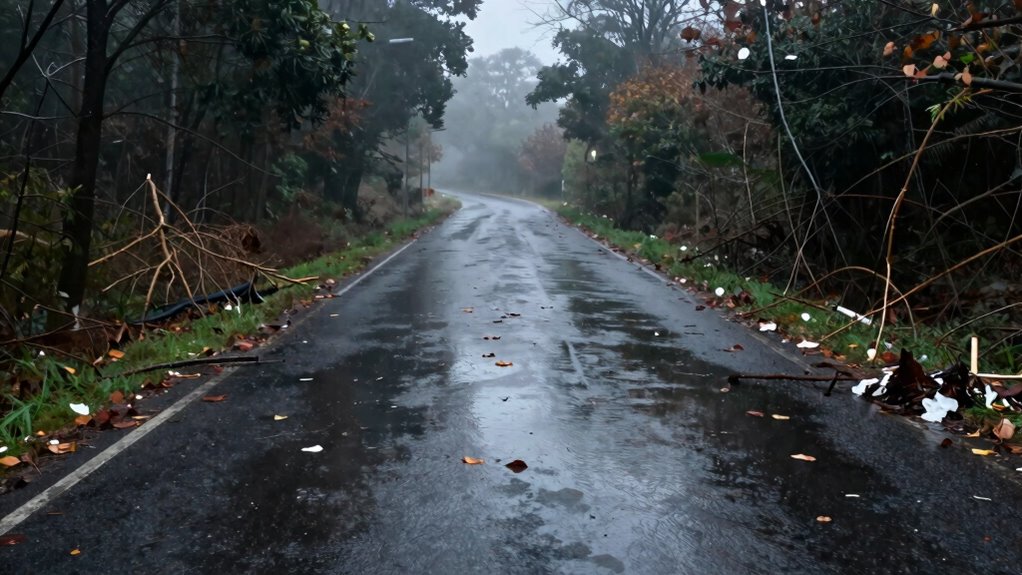
After a storm passes, the roads can become unexpectedly dangerous. You might think the worst has passed once the sky clears, but hazards still lurk on the pavement. Flooded intersections are among the most common and deceptive dangers. Water may seem shallow, but even a few inches can cause you to lose control or stall your bike. Plus, the depth isn’t always obvious—sewer grates or potholes hidden beneath the surface increase the risk. When approaching these areas, slow down, avoid sudden turns, and stay alert for vehicles or other riders trying to navigate the same hazards. Don’t assume the water is shallow just because it looks manageable; it can hide slick surfaces or debris that could cause a fall. Recognizing storm-related damage is crucial to staying safe on the road. Fallen debris is another hazard that often appears after a storm, and it can be anything from branches and leaves to larger objects like tree limbs or trash. This debris clutters the roadway, creating obstacles you might not see until it’s too late. If you don’t notice the debris in time, you risk losing your balance or damaging your bike’s tires and rims. Always stay attentive to the road surface, especially after heavy rain, and scan ahead for indications of fallen objects. Riding over branches or trash can lead to sudden loss of traction or puncture a tire, so it’s crucial to slow down and be prepared to steer around obstacles. Keep in mind that road surface conditions can change rapidly after a storm, making it even more important to stay vigilant. Wet and uneven surfaces, such as patches of gravel or mud, can further compromise your grip and control. Unexpected hazards such as slick patches or loose gravel can appear suddenly, further challenging your control. Even if the road looks clear, remember that these hazards often aren’t visible until you’re right on top of them. Potholes, slick patches, and debris can cause accidents if you’re not cautious. storm-related damage isn’t always obvious, so it’s wise to reduce your speed and increase your following distance. This gives you more time to react and maneuver safely around these hidden dangers. Flooded intersections and fallen debris can also cause other drivers to behave unpredictably, so stay vigilant and maintain control. Additionally, improper drainage can lead to unexpected water accumulation on the roadway, further complicating riding conditions. Recognizing signs of storm damage on the road can help you anticipate and avoid potential hazards before they become emergencies. Ultimately, the aftermath of a storm demands your full attention. Flooded intersections, fallen debris, and other hazards aren’t just inconveniences—they’re serious threats to your safety. Approach each ride with caution, knowing that what’s visible isn’t the only danger lurking. By staying alert and adjusting your riding style accordingly, you can significantly reduce your risk of accidents and arrive at your destination safely, even after the storm has passed.
motorcycle flood water protection gear
As an affiliate, we earn on qualifying purchases.
As an affiliate, we earn on qualifying purchases.
Frequently Asked Questions
How Long Do Storm-Related Road Hazards Typically Last?
Storm impact and hazard duration vary, but generally, dangerous conditions can last from several hours to a few days after a storm. Heavy rain can cause slick roads and flooding for days, while fallen branches or debris may remain longer if not quickly cleared. You should stay alert, as hazards like water on the road or road damage can persist, making it essential to ride cautiously until conditions fully improve.
Are Certain Road Hazards More Common After Specific Storm Types?
Yes, certain storm types lead to specific hazards. After hurricanes, you’re more likely to encounter flooded intersections and fallen trees blocking roads. Severe thunderstorms often cause fallen branches and debris, creating obstacles. Tornadoes can produce scattered debris and damage, leading to unpredictable hazards. Understanding these patterns helps you stay alert and prepared for the most common hazards following each storm type, ensuring safer riding conditions in post-storm environments.
How Can I Identify Hidden Road Hazards During Cleanup?
Hidden obstacles can lurk like monsters beneath debris, making cleanup tricky. To spot them, slow down and scan the road carefully, focusing on areas with debris concealment. Use a flashlight or your bike’s lights to illuminate dark spots and lift or move loose debris cautiously. Keep an eye out for unusual shapes or objects that don’t belong. Staying vigilant, you’ll avoid surprises that could cause accidents or damage.
What Equipment Is Best for Navigating Post-Storm Roads Safely?
To navigate post-storm roads safely, you should use a sturdy, high-visibility helmet and gloves for protection. A durable, waterproof motorcycle jacket and pants help you stay dry amid floodwaters and debris. Carry a powerful flashlight to spot hidden hazards like storm debris or flooded roads. Additionally, a GPS or map helps you find safer routes, avoiding unstable areas, while a communication device guarantees quick help if needed.
When Should I Report Road Hazards to Authorities?
You should report road hazards to authorities as soon as you spot them to guarantee road safety for everyone. Timely hazard communication helps prevent accidents caused by fallen trees, debris, or flooding, especially after storms. By promptly reporting hazards, you assist authorities in addressing dangerous conditions quickly, reducing risks for other riders and drivers. Always prioritize safety, and don’t hesitate to alert officials when you encounter potential dangers on the road.
road hazard warning signs for riders
As an affiliate, we earn on qualifying purchases.
As an affiliate, we earn on qualifying purchases.
Conclusion
After a storm, you might think the dangers are over, but often, the surprises are just beginning. As you ride through wet, debris-laden roads, remember that unexpected hazards—like slick patches or fallen branches—can suddenly catch you off guard. It’s a coincidence how nature’s aftermath often aligns with your route’s hidden dangers. Stay alert, stay cautious, and trust that your awareness can turn a potentially risky ride into a safe journey, even when the storm has just passed.
As an affiliate, we earn on qualifying purchases.
slippery road surface traction devices
As an affiliate, we earn on qualifying purchases.
As an affiliate, we earn on qualifying purchases.
Fall Picks
fall essentials
As an affiliate, we earn on qualifying purchases.