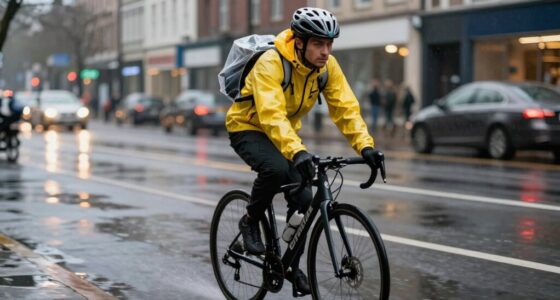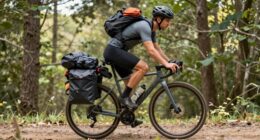
To handle high heat during your ride, wear lightweight, breathable clothing, and apply sunscreen regularly. Stay hydrated by drinking water often and using electrolyte drinks or water-rich foods. Schedule your ride during cooler times like early morning or late evening, and take frequent breaks in shaded areas. Use cooling accessories like damp towels or neck wraps, and watch for signs of heat exhaustion. Keep your gear ready and your plans flexible for safe riding in hot weather—there’s more to discover for a cooler, enjoyable ride.
Open a free Amazon Business account
Business pricing, bulk buying and tax-exempt orders.
As an affiliate, we earn on qualifying purchases.
Key Takeaways
- Ride during cooler parts of the day, like early morning or late evening.
- Wear lightweight, breathable clothing and sun protection gear to stay comfortable.
- Take frequent breaks in shaded areas and use cooling accessories to prevent overheating.
- Stay consistently hydrated with water and electrolyte drinks, even if not feeling thirsty.
- Monitor your body for signs of heat exhaustion and adjust your ride plan accordingly.
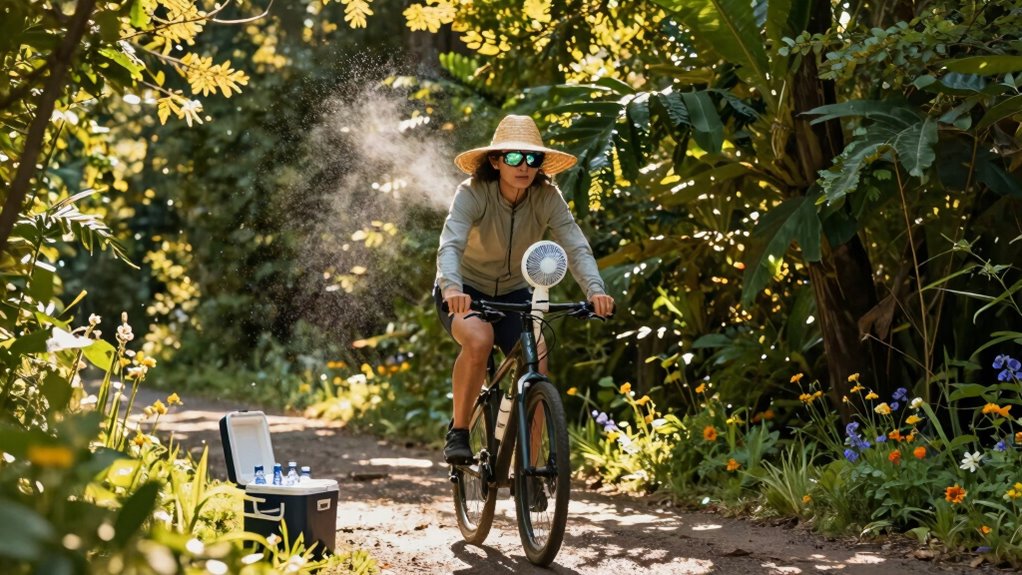
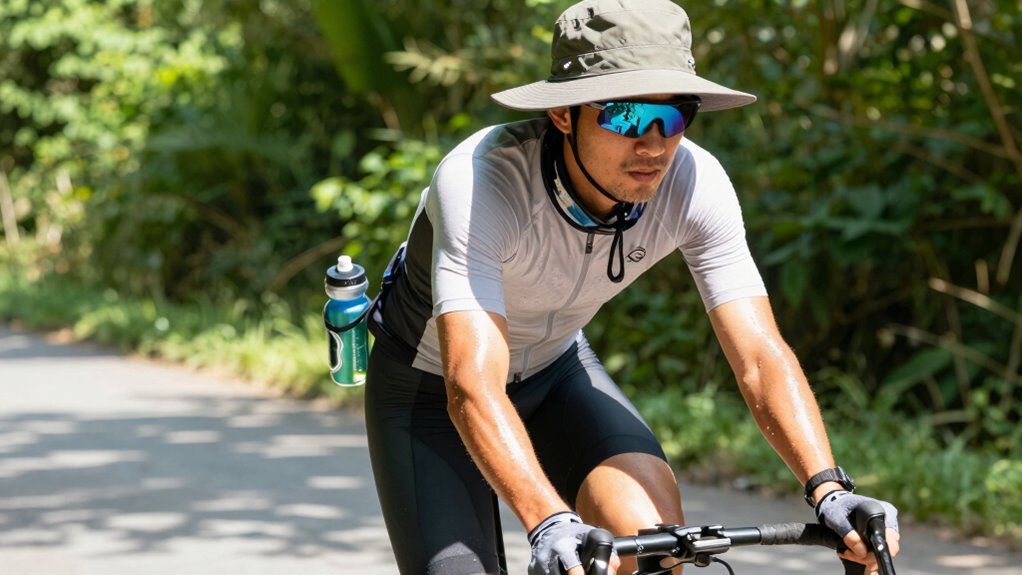
Have you ever felt overwhelmed by extreme heat, unsure of how to stay safe and comfortable? When the sun beats down and temperatures soar, it’s easy to feel like your ride is turning into a battle against the elements. The key is to prepare ahead of time with the right gear and tactics. Cooling accessories are your first line of defense — think lightweight, breathable clothing, and accessories like cooling towels, neck gaiters, or even handheld fans. These items help lower your body temperature and keep sweat from sticking to your skin, which can make you feel even hotter. Wearing moisture-wicking fabrics also helps; they draw sweat away from your body, allowing it to evaporate and cool you down. Small adjustments, like a wide-brim hat or UV-protective sunglasses, can shield your face and eyes from direct sunlight, reducing glare and preventing heat-related discomfort. Additionally, proper ventilation can help regulate your body temperature and improve overall comfort during hot rides. Incorporating sunscreen application techniques can also enhance your protection, ensuring your skin remains shielded during prolonged exposure. Being mindful of your body signals and recognizing early signs of overheating can prevent more serious heat-related issues. Hydration strategies are just as essential as physical gear. When it’s hot out, you lose more fluids through sweat, so it’s imperative to drink regularly, even if you don’t feel thirsty. Carry a reusable water bottle or hydration pack, and take small sips often rather than gulping large amounts at once. Adding electrolyte tablets or sports drinks can replenish salts and minerals lost through sweating, helping prevent cramps and fatigue. Avoid drinks with high caffeine or alcohol content, as they can dehydrate you further. Keep water in a shaded spot when you’re not riding, so you’re more likely to drink frequently. Remember, staying hydrated isn’t just about drinking water; eating water-rich foods like fruits and vegetables can also give your body extra hydration and keep your energy levels steady. Paying attention to the signs of dehydration can help you recognize when it’s time to hydrate more aggressively and avoid heat-related illnesses. Planning your ride during cooler parts of the day, such as early morning or late evening, can make a noticeable difference. If you’re riding during peak heat, take frequent breaks in shaded areas to cool down and rest. Pay attention to how your body feels — signs of heat exhaustion, like dizziness, nausea, or excessive sweating, mean you need to slow down and cool off immediately. Using cooling accessories during breaks, such as damp towels or cooling neck wraps, can help lower your core temperature quickly. Always wear sunscreen to protect your skin from harmful UV rays, and don’t forget to reapply regularly, especially if you’re sweating a lot. Being aware of your environment and adjusting your plans accordingly can greatly enhance your safety and comfort during hot weather conditions. Remember that understanding heat-related illness symptoms can be lifesaving in extreme conditions.
cooling towels for outdoor sports
As an affiliate, we earn on qualifying purchases.
As an affiliate, we earn on qualifying purchases.
Frequently Asked Questions
What Are the Best Materials for Riding in Extreme Heat?
For riding in extreme heat, choose gear made from cooling fabrics like lightweight, breathable materials that wick away sweat. Opt for clothing with built-in sun protection to guard your skin from harmful rays. You should also wear a wide-brimmed hat or helmet cover with UV protection and sunglasses. Staying hydrated and taking regular breaks are essential, but your clothing choices markedly help keep you comfortable and protected during hot rides.
How Can I Prevent Heat Exhaustion During a Ride?
To prevent heat exhaustion during your ride, prioritize cooling strategies like taking regular breaks in shaded areas and staying hydrated. Wear lightweight, breathable clothing and apply sun protection such as sunscreen and a wide-brimmed hat. Keep cool with a damp cloth on your neck or forehead, and listen to your body for signs of overheating. These steps help you stay safe and comfortable while enjoying your ride in high temperatures.
What Are Signs of Heatstroke to Watch For?
Think of heatstroke as a silent alarm going off—you need to recognize its signs early. Watch for symptoms like confusion, dizziness, and a throbbing headache. Keep sun protection in mind, and opt for lightweight, breathable clothing choices to stay cool. If someone shows these signs, get them into shade, hydrate, and seek medical help immediately. Acting fast can prevent serious health risks and keep your ride safe.
How Does Hydration Impact Riding Performance?
Hydration plays a vital role in your riding performance, especially in high heat. Proper hydration strategies help you maintain electrolyte balance, preventing fatigue and cramps. By drinking water regularly and incorporating electrolyte drinks, you guarantee your body stays balanced and energized. Staying well-hydrated allows you to focus better, ride longer, and recover faster, making your ride more enjoyable and less taxing, even in extreme temperatures.
Are There Specific Times of Day to Avoid Riding in High Heat?
You should avoid riding during the hottest parts of the day, typically between 10 a.m. and 4 p.m., when the sun’s rays are strongest. Coincidentally, this is when sun protection and clothing selection become essential—wear lightweight, breathable fabrics and a wide-brimmed hat or sunglasses. Planning your ride early morning or late afternoon helps you stay cooler, reduces sun exposure, and makes the experience more comfortable and safe.
moisture-wicking breathable clothing for riding
As an affiliate, we earn on qualifying purchases.
As an affiliate, we earn on qualifying purchases.
Conclusion
As the sun beats down and the asphalt blazes beneath your tires, remember that staying cool is your best ally. Picture yourself gliding through shimmering heat waves, a invigorating breeze whispering past. With a bit of preparation—hydration, lightweight gear, and shaded stops—you’ll conquer the high heat instead of succumbing to it. Keep your focus, stay cool, and enjoy the ride through the fiery landscape, feeling confident as the heat becomes just another part of your adventure.
reusable water bottles with insulation
As an affiliate, we earn on qualifying purchases.
As an affiliate, we earn on qualifying purchases.

Electrolyte Tablets with Magnesium, Sodium, Potassium, Chloride – 120 Tabs
- 9-in-1 Electrolyte Formula: Includes Ca, Na, K, Cl, Mg, P, vitamins
- Enhanced Hydration: Infused with Himalayan salt and kelp
- Supports Muscle & Energy: Aids in recovery and energy production
As an affiliate, we earn on qualifying purchases.
As an affiliate, we earn on qualifying purchases.
Back to school Picks
back to school
As an affiliate, we earn on qualifying purchases.