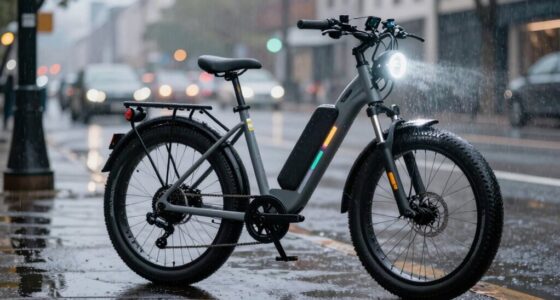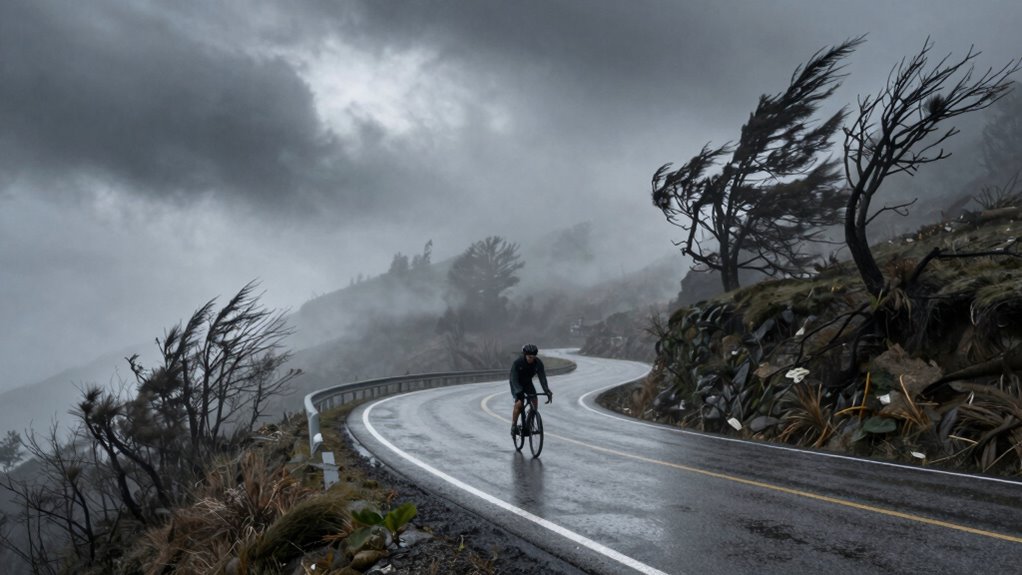

When evaluating if you should skip a ride due to weather, consider safety risks like heavy rain, strong winds, and low visibility. Wet, slick surfaces increase slipping hazards, while storms with lightning or sudden changes can be dangerous. Trust your instincts and monitor weather updates closely—if conditions are unpredictable or hazardous, postponing is the safest choice. More helpful tips on making these decisions are just ahead to keep you safe during bad weather.
Open a free Amazon Business account
Business pricing, bulk buying and tax-exempt orders.
As an affiliate, we earn on qualifying purchases.
Key Takeaways
- Assess surface conditions for slipperiness and control difficulty, postponing if surfaces are slick or hazardous.
- Consider visibility; delay if heavy rain, fog, or low light impair sightlines significantly.
- Monitor weather forecasts for sudden changes, and avoid riding during thunderstorms or high winds.
- Prioritize safety over schedule, and trust your instincts if conditions feel unsafe.
- Recognize that heavy rain, lightning, or rapidly worsening weather warrants postponing the ride.
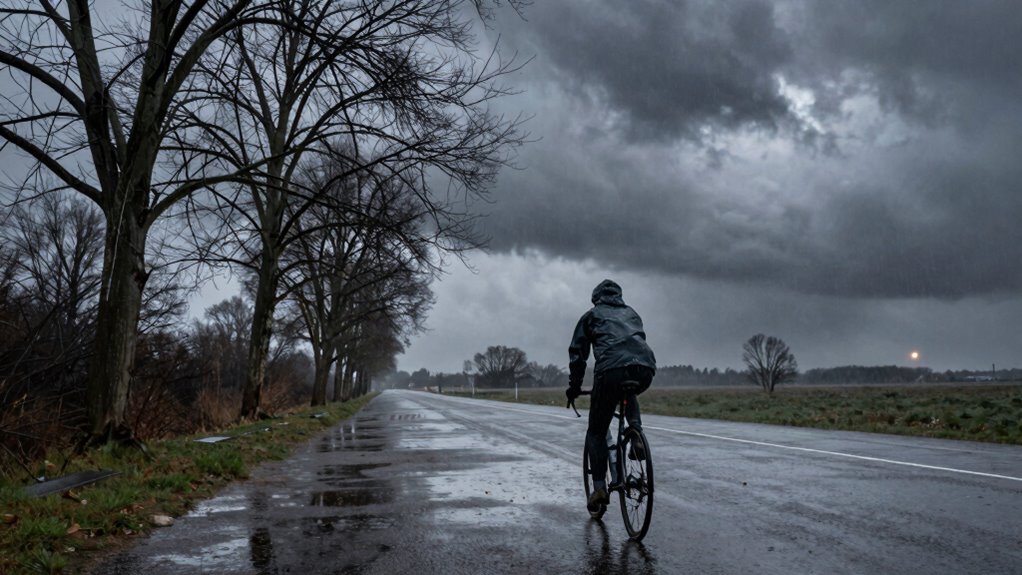
Deciding whether to ride in bad weather can be challenging, especially when you’re enthusiastic to stay active or need to get somewhere. You might feel eager to stick to your routine, but it’s vital to weigh the risks carefully. Rain safety is a major factor—you need to consider how wet roads or trails could impact your ride. Rain can make surfaces slick, increasing the chance of slipping or losing control, especially on turns or uneven terrain. If the rain is heavy, it can drastically reduce your ability to react quickly, making riding more dangerous. Before heading out, check the forecast and contemplate how much rain is expected. Light drizzle might not be a problem, but a heavy downpour could be a clear sign to postpone your trip.
Heavy rain makes surfaces slick and reduces reaction time, increasing riding dangers—consider postponing for safety.
Visibility concerns are another critical aspect. When it’s raining heavily, your ability to see clearly diminishes, and so does that of other road or trail users. Reduced visibility not only hampers your ability to spot hazards like potholes, debris, or pedestrians but also makes it harder for others to see you. If rain is accompanied by fog, mist, or low clouds, it’s wise to question whether the ride is worth the risk. Wearing bright or reflective gear can help, but it isn’t a cure-all. When visibility drops profoundly, it’s safer to delay your ride until conditions improve. Weather conditions can also worsen suddenly, catching riders off guard and increasing the risk of accidents. You want to avoid situations where you’re forced to ride blindly or in a way that endangers yourself and others.
Beyond rain safety and visibility concerns, think about the overall weather conditions. Strong winds can cause debris to blow into your path or make controlling your bike more difficult. Thunderstorms bring lightning and the potential for flash floods, which are outright dangerous. Even if the rain isn’t heavy, cold temperatures combined with wind can lead to hypothermia if you’re not dressed appropriately. Understanding weather severity can help you better assess whether conditions are safe for riding. Additionally, it’s important to recognize that weather can change rapidly, and a forecasted safe window might turn hazardous unexpectedly. Monitoring weather patterns can further assist in making informed decisions about your rides. Always remember that no ride is worth risking life or limb, especially when conditions are unpredictable.
Ultimately, your safety should always come first. Pay attention to weather warnings and your gut feeling. If conditions seem questionable, don’t push through just to stick to your schedule. It’s better to miss a ride than to put yourself in harm’s way. By evaluating rain safety, visibility concerns, and overall weather severity, you can make smarter decisions about when to ride and when to wait for better conditions.
As an affiliate, we earn on qualifying purchases.
Frequently Asked Questions
How Can I Stay Updated on Real-Time Weather Changes During My Ride?
To stay updated on real-time weather changes during your ride, you should rely on weather apps that offer live updates. Enable forecast alerts on these apps so you receive notifications about sudden weather shifts. Keep your smartphone accessible and check the app periodically. This way, you’ll stay informed about rain, storms, or other adverse conditions, helping you make safe decisions and adjust your ride accordingly.
What Safety Gear Should I Have for Riding in Bad Weather?
You should wear rain gear like waterproof jackets and pants to stay dry, and carry visibility accessories such as reflective vests or lights to stay seen. These safety gear items help protect you from the elements and improve your visibility in poor weather. Make certain your helmet has a clear visor, and consider adding extra lights or reflective tape to guarantee you’re seen by other drivers, keeping you safer during bad weather rides.
How Does Wind Speed Specifically Affect Riding Safety?
Wind speed substantially impacts your riding safety by increasing wind hazards and causing gust impacts. Strong gusts can suddenly push your bike off course, making control difficult and raising the risk of accidents. High wind speeds also create turbulent conditions, reducing visibility and stability. If wind speeds are high, especially with frequent gusts, it’s safer to delay your ride until conditions improve, ensuring you stay balanced and avoid dangerous surprises.
Are There Any Alternative Routes to Avoid Bad Weather Areas?
Of course, finding a perfectly safe route through a weather nightmare is as simple as choosing a different path. You can explore route alternatives that focus on weather avoidance, like avoiding open areas with high wind or flooded sections. Using GPS apps with real-time updates helps you adapt quickly. Remember, sometimes the best route is the one that wisely sidesteps treacherous weather, turning a risky ride into a safer one.
What Signs Indicate Worsening Weather Conditions While Riding?
You’ll notice signs like darkening skies, increasing wind, or sudden drops in temperature, which indicate worsening weather. During pre-riding preparations, check weather forecasting tools for updates. While riding, stay alert for changing conditions such as lightning, heavy rain, or fog. These signs suggest you should consider stopping or seeking shelter. Always trust your instincts and forewarned by reliable weather info to guarantee your safety.
As an affiliate, we earn on qualifying purchases.
Conclusion
Remember, the key isn’t just about the weather itself, but how it affects your safety and enjoyment. Sometimes, the true test is trusting your instincts—if something feels off, it probably is. Weather conditions can be unpredictable, but your judgment isn’t. By listening to your gut and respecting the signs, you’ll learn that skipping a ride isn’t a sign of weakness, but wisdom. Ultimately, the best ride is the one you finish safely and happily.
As an affiliate, we earn on qualifying purchases.
As an affiliate, we earn on qualifying purchases.
NFL season / tailgating Picks
team gear
As an affiliate, we earn on qualifying purchases.