
TL;DR

Get bike and ride gear delivered free with Prime
- Fast, free delivery on millions of items
- Prime Video, Amazon Music and more included
- Member-only deals all year
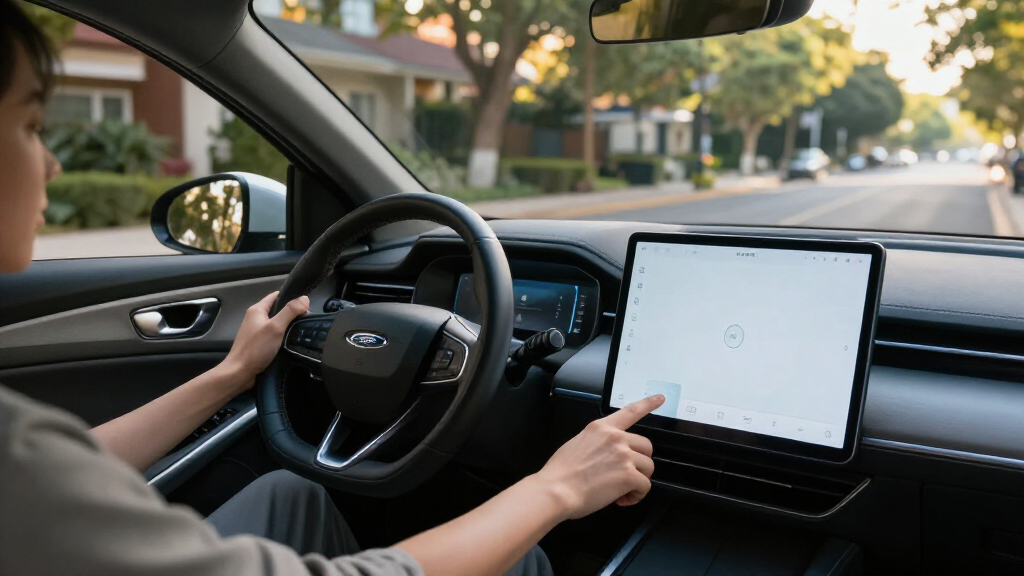
Ford has launched a Privacy Promise website explaining what connected vehicle data it may collect and how drivers can opt out. Ford says opting out can create a “quasi-’80s mode,” but drivers may lose connected features such as live traffic and app-based location services.
Ford launched a new Privacy Promise website explaining what connected-vehicle data it collects and how drivers can opt out, a move that could let owners limit data sharing while giving up some connected features. Ford Chief Privacy Officer Kristin Jones described the result of a full opt-out as a “quasi-’80s mode”, an old-school experience without the same digital services.
The site outlines categories of information Ford may collect, which vary by vehicle model. They can include location data, driving characteristics and diagnostic information, as well as other connected data generated through the vehicle or the Ford smartphone app. The site also describes how Ford uses the information and how drivers can turn off sharing, according to the source report.
Opting out has a functional cost. Drivers who disable connected navigation, internet connectivity and location features may lose services that depend on those connections, including information such as live traffic. A vehicle cannot provide Ford with no connected data while also receiving data-dependent services from Ford, the report notes.
Jones told Automotive News that Ford’s aim is to allow customers who do not want to share connected data to opt out. She also said the company uses data to help tailor vehicle features to what owners want. The source material does not describe every setting or establish that the same opt-out choices are available on every Ford model.
Privacy Choices Come With Feature Trade-Offs
Ford’s announcement puts the privacy-versus-connectivity trade-off in practical terms: drivers may be able to restrict data sharing, but some services they expect from a modern vehicle may become unavailable. For buyers, the choice is not simply whether a car collects information; it can also affect how navigation, apps and connected functions work day to day.
The policy also touches Ford’s business interests. The source report notes that CEO Jim Farley has discussed using digital subscriptions to increase revenue. If owners disable connectivity, services that rely on a connected vehicle may be less useful or unavailable to them. The source does not state how many customers are expected to opt out or quantify the effect on subscription revenue.
Ford’s explanation arrives amid broader scrutiny of automakers’ handling of driver information. The source report says General Motors recently reached a $220 million settlement over allegations related to sharing driver data. That comparison is relevant to the debate over transparency, but it does not establish that Ford engaged in the same conduct.
Popular right now

Apple AirPods Max 2 Wireless Over-Ear Headphones – Midnight

KitchenAid Artisan 5-Qt Tilt-Head Stand Mixer – Dried Rose (KSM150PS)

De'Longhi Rivelia Fully Automatic Espresso Machine with Milk Frother, White
As an affiliate, we earn on qualifying purchases.
A Public Guide to Ford Data Practices
Modern connected vehicles can generate information about where they travel, how they are driven and which features owners use. Ford’s new site is intended to tell owners what kinds of information may be collected, how the company uses it and where drivers can manage sharing. The data categories and available services depend on the vehicle, according to the report.
Ford’s privacy page comes after attention to other automakers’ data practices. The source describes GM as having reached a settlement over claims that it shared driver data with brokers through its Smart Driver program from 2016 to 2024. Those allegations and settlement concern GM; they are not evidence of wrongdoing by Ford. Ford, according to the report, said it is not in the business of selling driver data.
“Our ultimate goal is that, for someone who does not want to share any connected data with Ford at all, they can opt out and essentially create a quasi-’80s mode car.”
— Kristin Jones, Ford’s chief privacy officer, in a statement to Automotive News
Model-Specific Opt-Out Details Remain Unclear
The source material does not provide a complete list of which Ford models, model years or markets offer each data-sharing control. It also does not specify whether turning off one category of data affects other services, whether some information continues to be collected for vehicle operation or safety, or how drivers can restore connectivity after opting out.
Ford’s description of its goal is not a detailed technical guarantee covering every data type or vehicle. The report does not provide independent verification of the site’s explanations, nor does it quantify how many owners are likely to use the opt-out. The exact features lost may depend on the vehicle and the settings chosen.
Owners Can Review Settings on Ford’s Site
Drivers can consult Ford’s Privacy Promise website for information about data collection and available controls, then check the options specific to their vehicle and app. Owners weighing an opt-out will need to compare their privacy preferences with the connected services they rely on, particularly navigation, location-based functions and internet-dependent features.
Ford has not announced a further milestone or provided a timeline for changes to the site. More detail on model-by-model controls and the practical effects of specific settings would clarify how the promised opt-out works across the company’s vehicle range.
Key Questions
What is Ford’s Privacy Promise website?
It is a Ford website that explains what connected vehicle data the company may collect, how it uses that information and how drivers can turn off data sharing. The data and controls may vary by vehicle.
What does Ford mean by “quasi-’80s mode”?
Ford Chief Privacy Officer Kristin Jones used the phrase to describe a car experience for drivers who opt out of sharing connected data. It does not mean the vehicle becomes an older model; it refers to losing some connected services and digital features.
What could drivers lose if they opt out?
According to the source report, turning off connected navigation, internet connectivity and location features can reduce functionality, including access to services such as live traffic information. The specific effects depend on the vehicle and settings.
What kinds of information may Ford collect?
Depending on the model, Ford may collect location data, driving characteristics, diagnostic information and other connected data from the vehicle or Ford’s smartphone app, the report says.
Does the report say Ford sells driver data?
No. The source report says Ford made clear it is not in the business of selling driver data. It does not provide an independent audit of Ford’s practices; the website is Ford’s explanation of its data collection and customer controls.
Source: insideevs.com