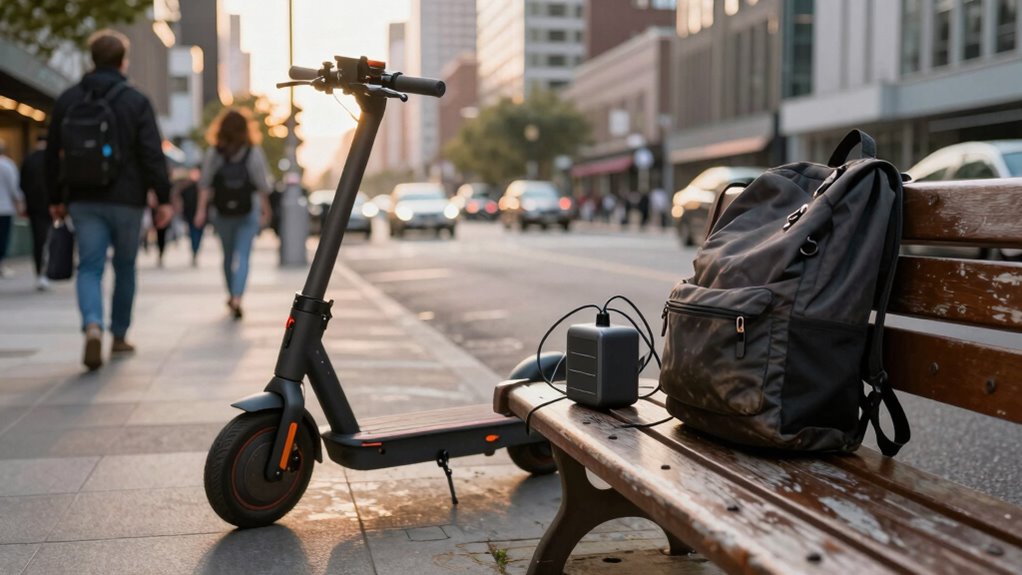

Portable chargers are useful backup tools, but they have practical limits. Over time, their batteries lose capacity and cycle, meaning they can’t fully recharge your device as efficiently. Factors like environmental conditions and frequent use speed up degradation. They’re best for occasional top-ups rather than daily full recharges. To keep your micromobility routine smooth, you need to recognize these limits and plan accordingly. If you want to learn how to maximize your charger’s lifespan, keep exploring.

Get bike and ride gear delivered free — and shop member deals
- Fast, free delivery on millions of items
- Access to Prime Big Deal Days deals on October 6–7
- Prime Video, Amazon Music and more included
Key Takeaways
- Portable chargers are best for occasional top-ups, not full daily recharges, due to limited capacity and battery degradation.
- Battery health declines over time, reducing charging effectiveness and necessitating realistic expectations.
- Environmental conditions and frequent use accelerate battery wear, shortening the lifespan of portable power banks.
- Lack of widespread charging infrastructure makes route planning essential to avoid running out of power.
- Combining battery monitoring with strategic planning enhances reliability and minimizes disruptions during commutes.
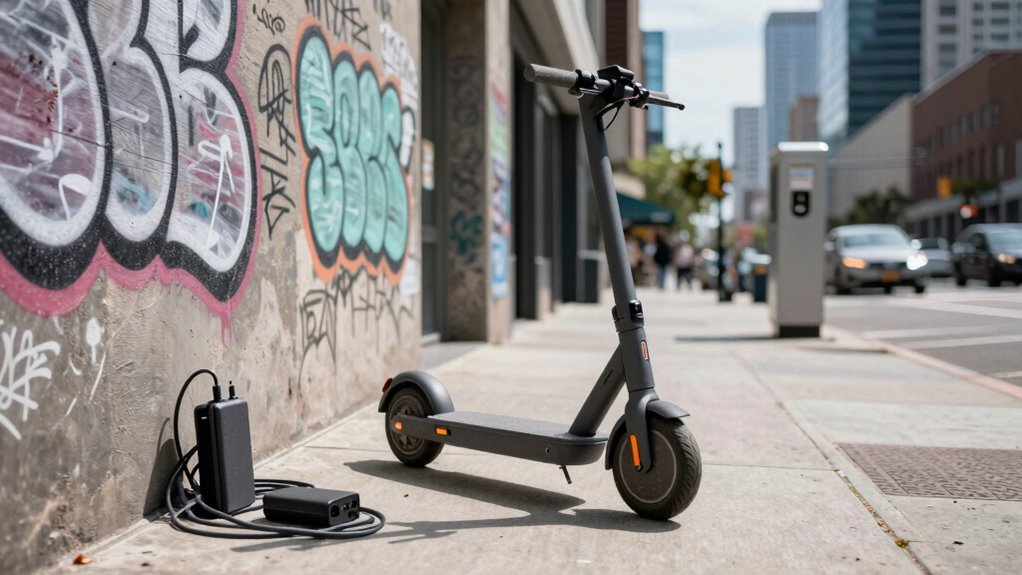
Have you ever found yourself stranded with a dead battery halfway through your commute? When you rely on micromobility options like electric scooters or bikes, that sudden loss of power can throw off your entire day. Portable chargers seem like a convenient solution, but their effectiveness is limited by factors like battery longevity and the available charging infrastructure. Understanding these limits helps you plan better and avoid unexpected disruptions. Since portable chargers are also affected by their own battery degradation over time, it’s important to consider battery capacity limitations when relying on them for daily commutes. Battery longevity is a key concern when using portable chargers. Most portable power banks are designed to charge devices a limited number of times before their capacity diminishes. If you’re constantly relying on a small, lightweight charger, you might find yourself needing to recharge it frequently, which isn’t always practical on the go. Over time, the internal batteries in portable chargers degrade, reducing their ability to deliver full power. This means that even if your charger appears fully charged, it might not have enough juice left to top off your scooter or bike fully. Additionally, frequent charging cycles can shorten the lifespan of your portable power bank, making it a less dependable long-term solution for daily commuters. Understanding how battery degradation affects performance can help you make more informed decisions about your charging strategy. Charging infrastructure plays a significant role in how far you can go with portable charging solutions. In urban areas, some cities are starting to develop dedicated charging stations for micromobility devices, but they’re still not widespread. Without a sturdy charging infrastructure, you’re limited to the capacity of your portable charger and the proximity of available power sources. The absence of charging stations means you need to plan your routes carefully, considering where you can recharge if necessary. Furthermore, battery degradation is a natural process that can be accelerated by frequent use and environmental factors, emphasizing the importance of monitoring your device’s health. Recognizing the limitations of portable power can help you set realistic expectations for your daily trips. The practical limits of portable charging for micromobility commuters ultimately boil down to the combined constraints of battery longevity and the charging infrastructure at your disposal. While portable chargers are handy for occasional top-ups, they’re not a complete solution for daily, long-distance commutes. They work best as a backup, allowing you to extend your ride just enough to reach a more reliable power source. To ensure your commute stays smooth, you should also be aware of your device’s battery health and the availability of charging options along your route. Relying solely on portable charging can be risky, but with proper planning, it can help you avoid that dreaded dead battery scenario and keep your micromobility experience hassle-free.
portable power bank for electric scooter
As an affiliate, we earn on qualifying purchases.
As an affiliate, we earn on qualifying purchases.
Frequently Asked Questions
How Long Does It Take to Fully Charge a Portable Power Bank?
A portable power bank typically takes between 2 to 6 hours to fully charge, depending on its battery capacity and charging speed. Larger capacity banks, like 20,000mAh or more, need more time to reach full charge, especially if you use slower chargers. If you want quicker charging, look for banks with fast-charging features, which can markedly reduce the time needed to get ready for your next ride.
Are Portable Chargers Compatible With All Micromobility Devices?
Portable chargers aren’t compatible with all micromobility devices because of varying battery capacities and connector types. You need to check your device’s compatibility, including the voltage and port type, before choosing a portable charger. Some chargers work with specific models or brands, so confirm the battery capacity matches your device’s needs. Always verify compatibility to avoid issues and ensure efficient, safe charging for your e-scooter or e-bike.
What Safety Precautions Should I Take When Using Portable Chargers?
Sure, risking a fire isn’t part of your day, right? When using portable chargers, prioritize battery safety by avoiding overcharging and keeping devices away from water. Follow proper charging etiquette—use compatible chargers and don’t leave them unattended for hours. Always check for damage before use, and store chargers in a cool, dry place. These simple precautions help prevent accidents and keep your commute smooth and safe.
How Often Should I Replace or Upgrade My Portable Charging Equipment?
You should replace or upgrade your portable charging equipment every 2-3 years, depending on battery lifespan and device compatibility. Regularly check for reduced battery performance, longer charging times, or device errors, which indicate it’s time for an upgrade. Keep in mind, older chargers may not support newer devices or features, so staying current guarantees reliable performance and safety during your micromobility commutes.
Can Portable Chargers Handle Extreme Weather Conditions?
Portable chargers generally struggle in extreme weather, but some models feature weatherproof design and temperature resilience. If you’re exposed to harsh conditions, look for chargers rated for water resistance and temperature extremes. These designs help prevent damage from rain, snow, or high heat. However, even resilient chargers can falter if exposed too long or to severe weather, so it’s best to store them indoors during extreme conditions and only use them outdoors when necessary.
high capacity portable charger for bikes
As an affiliate, we earn on qualifying purchases.
As an affiliate, we earn on qualifying purchases.
Conclusion
As you navigate your daily journey, remember that portable chargers are like secret garden gates—helpful, but not endless. They’re your trusted companions on the road, yet their limits remind you to plan ahead, embrace patience, and cherish the moments between charges. Just like a sunrise signals a new beginning, every recharge offers a fresh start—fuel your ride with foresight, and your micromobility adventures will always find their way home.
battery monitor for portable power banks
As an affiliate, we earn on qualifying purchases.
As an affiliate, we earn on qualifying purchases.
compact portable charger for micromobility devices
As an affiliate, we earn on qualifying purchases.
As an affiliate, we earn on qualifying purchases.
Fall Picks
fall essentials
As an affiliate, we earn on qualifying purchases.