To diagnose weird bike noises early, start by identifying the sound’s type—squealing, grinding, clicking, or rattling—and observe when it happens during your ride. Check key parts like brake pads, chain, gears, and bolts for wear or looseness. Regularly lubricate moving parts and tighten loose components. Understanding these noises helps you spot issues before they worsen. Keep exploring to learn more about effectively troubleshooting and preventing bike problems.

Get bike and ride gear delivered free — and shop member deals
- Fast, free delivery on millions of items
- Access to Prime Big Deal Days deals on October 6–7
- Prime Video, Amazon Music and more included
Key Takeaways
- Listen carefully to identify if noises change with acceleration, braking, or gear shifting to pinpoint the source.
- Visually inspect brake pads, chains, bolts, and components for wear, misalignment, or looseness.
- Check for specific sound patterns: squealing for brake issues, grinding for gears, rattling for loose parts.
- Apply lubricant to moving parts regularly to reduce friction and prevent noise buildup.
- Address issues promptly by tightening loose parts, replacing worn components, and consulting professionals if needed.
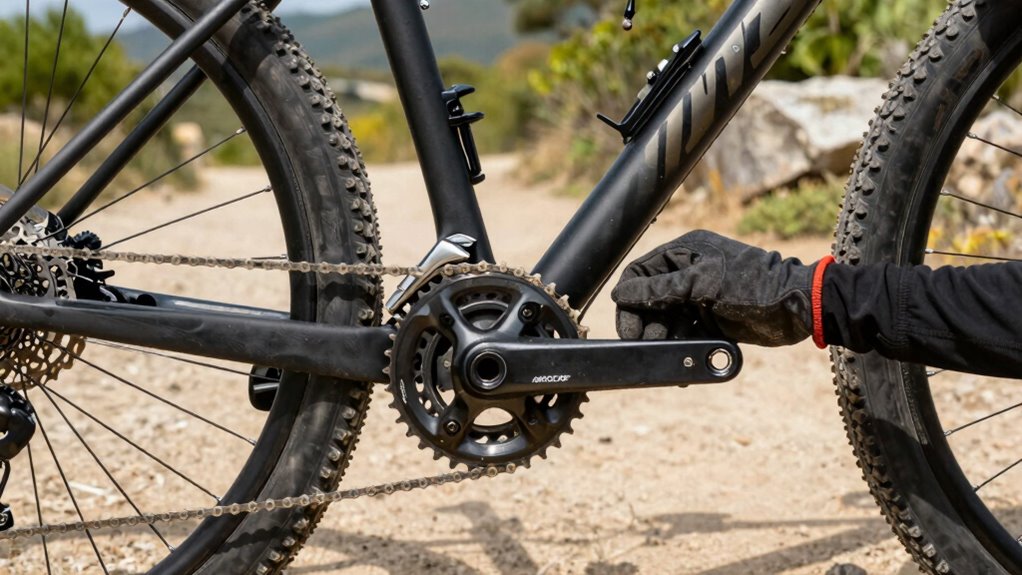
Ever wondered what that strange noise your bike is making really means? When you notice odd sounds, it’s easy to dismiss them or assume they’re just part of riding. But ignoring weird noises can lead to bigger problems down the line. The good news is, with some basic bike maintenance tips, you can often diagnose and fix issues early before they turn into costly repairs. First, listen carefully to the noise—where it’s coming from, how it changes when you accelerate or brake. Is it a squeal, grind, click, or rattle? Each type of sound points to different potential problems. For example, squealing often indicates a slipping or worn-out brake pad or a loose belt, while grinding usually signals issues with the gears or the chain. Rattling sounds might mean loose bolts or components vibrating during your ride.
When troubleshooting, start by inspecting your bike’s key parts. Check the brake pads for wear—they should have enough material left, and the pads should be aligned properly with the rim or disc. If you hear a squeal when braking, it might be time for some simple adjustments or replacing the pads altogether. Next, examine the chain and gears; a noisy chain could be a sign it needs lubrication or that the gears are misaligned. Regularly applying bike lubricant is part of good bike maintenance tips, as it keeps everything running smoothly and reduces noise caused by friction. Also, look for loose bolts or parts that might rattle as you ride. Tighten any loose screws, especially around the crankset, pedals, or handlebars. Additionally, understanding bike component function can help you better identify the source of noises and prevent misdiagnosis.
Being aware of common cycling myths** can also help you avoid unnecessary repairs and maintain realistic expectations about your bike’s noises. Many cyclists fall prey to common cycling myths, like the idea that a noisy bike is always a sign of serious trouble. This isn’t true—sometimes, a little noise is normal, especially if your bike is older or weathered. However, persistent or loud noises should never be ignored. If you’re unsure, it’s wise to consult a professional mechanic or do some research. Recognizing normal bike sounds can help you distinguish between harmless noises and issues that need attention. Understanding what’s causing the noise allows you to perform simple fixes and prevents small issues from escalating into costly repairs. Additionally, familiarizing yourself with basic bike maintenance** routines can save you time and money in the long run. Remember, proper bike maintenance tips emphasize regular checks and lubrication to keep your ride quiet and efficient. By staying attentive to strange sounds and addressing them promptly, you keep your bike in top shape and enjoy smoother rides, free of unexpected surprises.
As an affiliate, we earn on qualifying purchases.
Frequently Asked Questions
Can Strange Noises Indicate an Imminent Bike Breakdown?
Strange bike noises can indeed signal an imminent breakdown, so don’t ignore them. Many bike noise myths suggest they’re benign, but they often point to issues like loose chains or worn bearings. While diagnosing, remember unrelated maintenance tips like checking tire pressure and lubricating parts. Paying attention to odd sounds helps you catch problems early, preventing costly repairs and ensuring your ride stays smooth and safe.
Are Certain Noises More Dangerous Than Others?
Certain noises are like red flags waving wildly—brake squeals scream danger, signaling worn pads or issues that could lead to brake failure. Engine vibrations, on the other hand, are like tremors warning of engine trouble lurking beneath, possibly pointing to misaligned parts or imbalance. Both are dangerous, but brake squeals demand immediate attention, while engine vibrations suggest a problem that, if ignored, could escalate into costly repairs. Stay alert and act swiftly.
How Often Should I Check My Bike for Unusual Sounds?
You should check your bike for unusual sounds at least once a week, especially before long rides. During these checks, listen for any new squeaks or grinding noises, and make sure your bike lubrication is fresh to reduce friction. Also, verify your tire pressure; low pressure can cause strange noises and affect performance. Regular inspections help catch issues early, preventing minor problems from turning into costly repairs.
Do Bike Noises Vary With Different Riding Conditions?
Yes, bike noises do vary with different riding conditions. For example, a loose chain tension can cause clicking or slapping sounds on rough terrain, while brake squeal often worsens in humid or wet conditions. You might also notice more creaking from bearings or unusual noises from gears when riding uphill or downhill. Listening carefully to these changes helps you identify issues early and maintain smooth, safe rides.
Can Regular Maintenance Prevent Weird Noises?
Regular maintenance can markedly prevent weird bike noises—studies show that properly maintained bikes experience 30% fewer mechanical issues. By keeping lubrication consistent, you reduce friction and squeaks, while maintaining correct tire pressure prevents uneven sounds caused by poor contact with the road. These small but vital steps guarantee your bike runs smoothly, helping you avoid unexpected noises and costly repairs down the line.
As an affiliate, we earn on qualifying purchases.
Conclusion
By catching those weird bike noises early, you’re fundamentally giving your ride a superhero’s shield against disaster. Ignoring them is like ignoring a ticking time bomb—one wrong move, and suddenly your bike’s symphony turns into a catastrophic explosion. So, stay vigilant, listen carefully, and fix those strange sounds before they turn your trusty bike into a pile of rust and broken dreams. Trust me, your future self will thank you for it!
As an affiliate, we earn on qualifying purchases.
As an affiliate, we earn on qualifying purchases.
Fall Picks
fall essentials
As an affiliate, we earn on qualifying purchases.