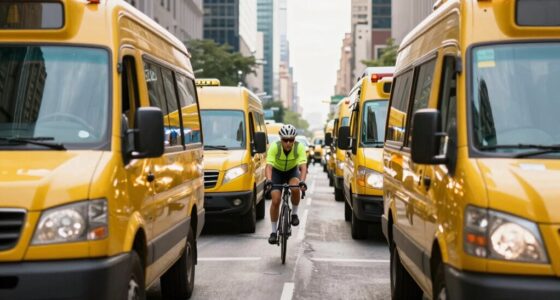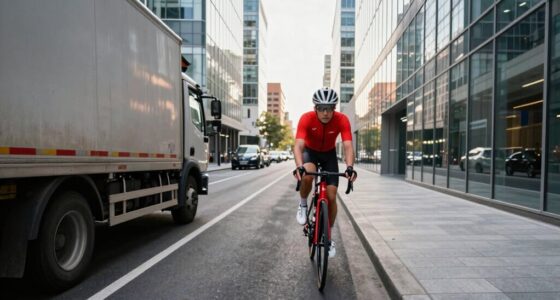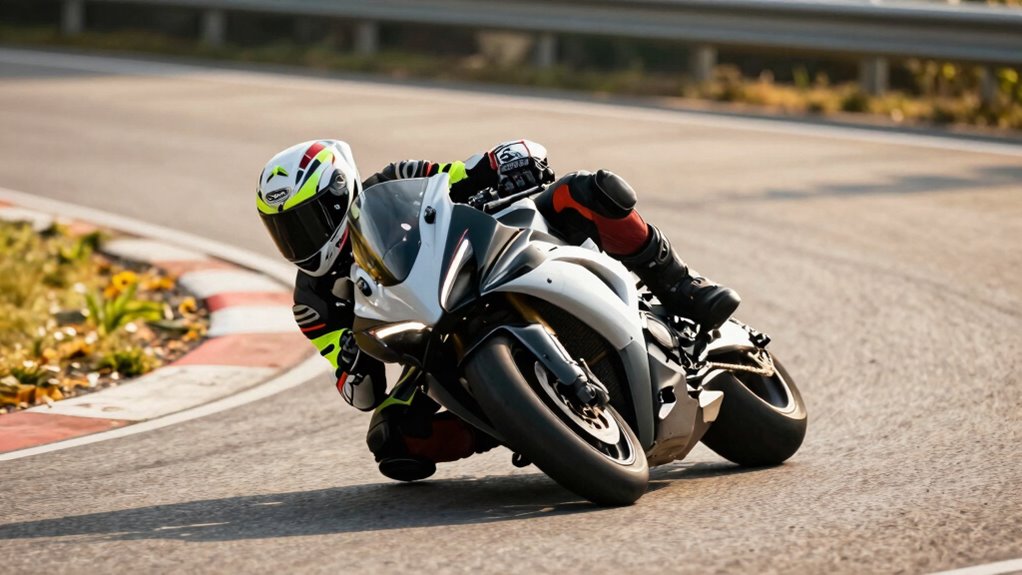

To spot a right-hook crash pattern before it happens, stay alert near intersections and watch for vehicles turning right that seem to overlook cyclists or pedestrians crossing or traveling straight. Check mirrors frequently, signal your intentions clearly, and make eye contact with drivers when possible. Slow down in busy areas and remain vigilant about the actions of others. If you want to learn specific tips to prevent these collisions, keep going for more insights.

Get bike and ride gear delivered free — and shop member deals
- Fast, free delivery on millions of items
- Access to Prime Big Deal Days deals on October 6–7
- Prime Video, Amazon Music and more included
Key Takeaways
- Observe vehicle signals and turning intentions early to anticipate potential right-hook situations.
- Watch for distracted or inattentive drivers approaching intersections, especially during right turns.
- Make eye contact with drivers to confirm they see you before crossing or proceeding.
- Stay visible with reflective gear and avoid sudden movements near turning vehicles.
- Be cautious in high bike or foot traffic areas, and only cross at designated crosswalks.
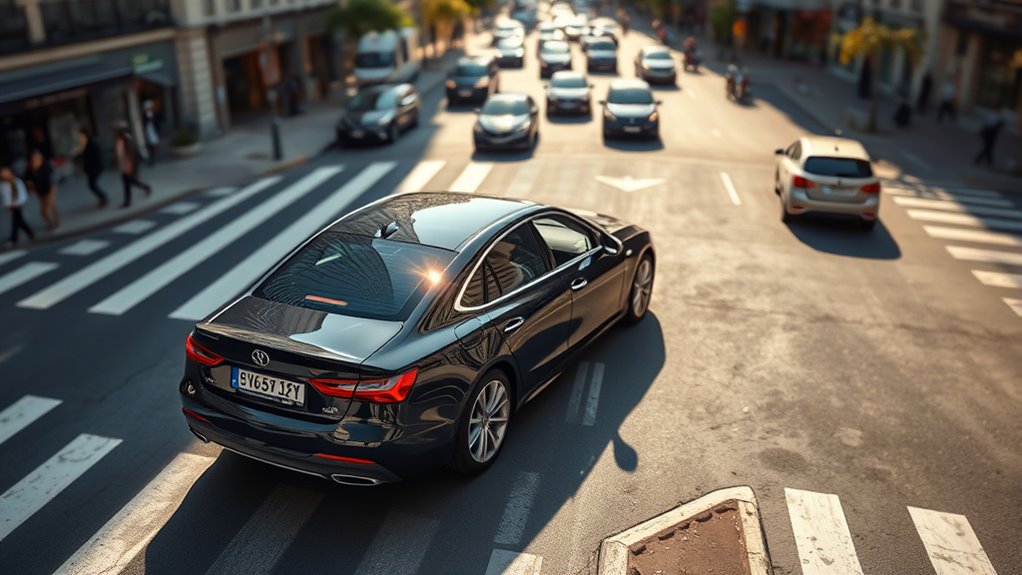
Understanding the right-hook crash pattern is essential for both drivers and pedestrians because it highlights a common and often overlooked accident scenario. When you’re behind the wheel, recognizing the signs of an impending right-hook can make the difference between staying safe and being involved in a serious collision. Drivers need to stay alert to the behaviors of other road users, especially at intersections and turns, where these accidents frequently occur. Developing strong driver awareness allows you to anticipate potential hazards, giving you the opportunity to react proactively and avoid dangerous situations. Pedestrians, on the other hand, should be mindful of vehicles making right turns, especially in busy urban areas, to prevent stepping into harm’s way unexpectedly.
Recognizing right-hook crash risks helps drivers and pedestrians stay safe and prevent accidents at intersections and turns.
The right-hook crash happens when a vehicle turning right collides with a cyclist or pedestrian who is traveling straight or crossing at an intersection. Often, these accidents are caused by drivers who misjudge the speed or intentions of other road users, or who become distracted and fail to notice someone in their blind spot. As a driver, it’s critical to maintain heightened awareness, especially near intersections where visibility might be limited. Check your mirrors frequently, signal your intentions clearly, and slow down if you see someone approaching or crossing. Being attentive, especially in areas with heavy bike or foot traffic, is a key part of accident prevention. Remember, even a moment of distraction can lead to a crash, so stay focused and aware of your surroundings. High refresh rates in projectors can enhance your viewing experience, especially during fast-paced gaming or action scenes.
Pedestrians and cyclists can also help prevent right-hook accidents by making eye contact with drivers and staying visible, especially during low-light conditions. Cross at designated crosswalks and wait for the vehicle to come to a complete stop before proceeding. If you see a vehicle preparing to turn right, don’t assume the driver has seen you—make yourself noticeable by using reflective clothing or signals. Staying vigilant and predictable helps create a safer environment for everyone.
In terms of accident prevention, both drivers and pedestrians benefit from understanding the common causes of right-hook crashes. For drivers, it’s about anticipating the actions of others and maintaining proper awareness. For pedestrians, it’s about staying alert and making your presence known. By recognizing the potential for a right-hook before it happens, you can make smarter decisions on the road. Whether you’re behind the wheel or on foot, understanding this crash pattern empowers you to take proactive steps, reducing the risk of accidents and keeping everyone safer. The key lies in constant vigilance, clear communication, and respecting each other’s space and right of way.
Frequently Asked Questions
What Are the Most Common Vehicles Involved in Right-Hook Crashes?
You’ll find that cars, especially smaller vehicles like sedans and motorcycles, are most often involved in right-hook crashes. Drivers sometimes misjudge the speed or distance of oncoming vehicles, leading to risky behaviors at intersections. These vehicle types and driver behaviors contribute to the pattern, making it essential to stay alert and cautious, especially near intersections where right hooks are most likely to occur.
How Do Weather Conditions Influence Right-Hook Crash Likelihood?
Weather conditions considerably influence the likelihood of right-hook crashes. Rain, snow, or fog impair visibility conditions, making it harder for you to see or be seen by drivers turning right. Slippery road surfaces reduce traction, increasing the chance of sudden stops or loss of control. Stay alert, especially in adverse weather, and adjust your speed and position to maintain clear visibility and safe road surfaces, reducing your risk of a right-hook crash.
Can Urban Design Reduce Right-Hook Crash Incidents Effectively?
Yes, urban design can substantially reduce right-hook crash incidents by enhancing pedestrian safety and improving signage placement. When you design intersections with clear, visible signage, drivers become more aware of pedestrian crossings, encouraging safer turning behaviors. Incorporating dedicated turning lanes and curb extensions also helps slow down vehicles, creating a safer environment. These thoughtful design choices make intersections more predictable and safer for both pedestrians and drivers.
What Role Do Traffic Signals Play in Preventing Right-Hook Accidents?
Traffic signals play a vital role in preventing right-hook accidents by controlling vehicle and pedestrian movements. Proper traffic signal timing guarantees that vehicles don’t turn right while pedestrians are crossing, reducing confusion. Well-placed pedestrian crossings with clear signals alert drivers to stop, preventing sudden turns. By synchronizing signals and emphasizing pedestrian safety, you can greatly lower the risk of right-hook crashes and create safer intersections for everyone.
How Can Drivers Improve Their Awareness of Right-Hook Danger Zones?
You can improve your awareness of right-hook danger zones by regularly checking your blind spot awareness and making it a habit to use your signals early and consistently. Pay attention to vehicles in your blind spots, especially at intersections, and anticipate their intentions. By staying vigilant and maintaining good signal usage habits, you reduce the risk of accidents and stay safer on the road.
Conclusion
By recognizing the right-hook crash pattern early, you can avoid becoming a target in the busy intersection traffic. Think of it as spotting dark clouds before a storm—your awareness keeps you dry and safe. Stay alert, watch for turning vehicles, and anticipate their moves. When you stay proactive, you’re steering clear of trouble, rather than riding into it blindly. Remember, your vigilance is the lighthouse guiding you safely through the traffic’s unpredictable waves.
Fall Picks
fall essentials
As an affiliate, we earn on qualifying purchases.